Skip to content
OnMSFT.com
  • Home
  • About
  • Contact
  • Windows
  • Surface
  • Xbox
  • How-To
  • OnPodcast
  • Edge
  • Teams
  • Gaming
Menu
  • Home
  • About
  • Contact
  • Windows
  • Surface
  • Xbox
  • How-To
  • OnPodcast
  • Edge
  • Teams
  • Gaming
  1. Home
  2. News
  3. Azure OpenAI Service enhances AI models with fine-tuning capabilities

Azure OpenAI Service enhances AI models with fine-tuning capabilities

Devesh Beri Devesh Beri
October 17, 2023
1 min read

The recent update on the Azure OpenAI Service has introduced fine-tuning capabilities for several models, including GPT-3.5-Turbo, Babbage-002, and Davinci-002 in the Azure Machine Learning model catalog.

The addition of two new base inference models (Babbage-002 and Davinci-002) and the ability to fine-tune three models (Babbage-002, Davinci-002, and GPT-3.5 Turbo) in the Azure OpenAI models collection gives users more flexibility and choice.

Fine-tuning can be valuable for a wide range of applications, including customer service automation, content generation, translation, text summarization, and more. It can also be used alongside other methods like prompt engineering and information retrieval to achieve even better results.

The ability to fine-tune Azure OpenAI models using either Azure Machine Learning Service or Azure OpenAI Service is a welcome addition. This gives users more control over the fine-tuning process and allows them to choose the platform that best suits their needs.

It is important to note that fine-tuning is a paid service. However, Azure offers fully managed fine-tuning services, which means that users do not need to worry about managing the infrastructure or training process.

This update allows users to leverage fine-tuned Azure OpenAI models to create more tailored and efficient AI solutions for a wide range of tasks and applications.

 

Related

Share this article:
Previous Article Microsoft offers Activision Blizzard noteholders a choice Next Article Netflix extends its cloud gaming beta testing to the US

Related Articles

State of Decay 3 Returns With Alpha Playtests After Years of Silence

April 4, 2026
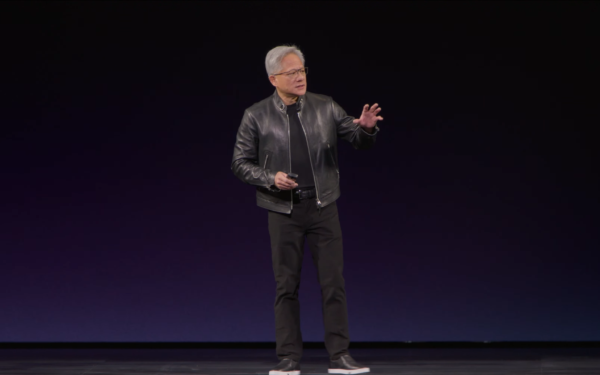
Nvidia CEO Jensen Huang says demand for Blackwell and Rubin AI chips could reach $1 trillion as AI infrastructure spending grows rapidly.

Memory costs surge to 30% of AI spending, NVIDIA holds an advantage

April 4, 2026
PEAK players demand more updates, but Landfall responds clearly, saying the indie hit was never meant to be a live service game.

PEAK Players Want More Updates, But Landfall Says Extra Content Is “a Bonus not a Right”

April 4, 2026

Leave a Comment Cancel reply

Your email address will not be published. Required fields are marked *

Recent Posts

  • State of Decay 3 Returns With Alpha Playtests After Years of Silence
  • Memory costs surge to 30% of AI spending, NVIDIA holds an advantage
  • PEAK Players Want More Updates, But Landfall Says Extra Content Is “a Bonus not a Right”
  • PC shortages push companies to drop budget models and chase premium buyers
  • PlayStation 6 leaks point to handheld console, lower pricing, and early transition plans

Recent Comments

  1. XxRIVTYxX on Intel Says It Tried to Help Before Crimson Desert Dropped Arc Support
  2. Gaurav Kumar on Chrome Prepares Nudge to ‘Move Tabs to the Side’ as Vertical Tabs Near Release
OnMSFT.com

The Tech News Site

Categories

  • Windows
  • Surface
  • Xbox
  • How-To
  • OnPodcast
  • Gaming
  • Edge
  • Teams

Recent Posts

  • State of Decay 3 Returns With Alpha Playtests After Years of Silence
  • Memory costs surge to 30% of AI spending, NVIDIA holds an advantage
  • PEAK Players Want More Updates, But Landfall Says Extra Content Is “a Bonus not a Right”
  • PC shortages push companies to drop budget models and chase premium buyers
  • PlayStation 6 leaks point to handheld console, lower pricing, and early transition plans

Quick Links

  • About OnMSFT.com
  • Contact OnMSFT
  • Join Our Team
  • Privacy Policy
© 2010–2026 OnMSFT.com LLC. All rights reserved.
About OnMSFT.comContact OnMSFTPrivacy Policy