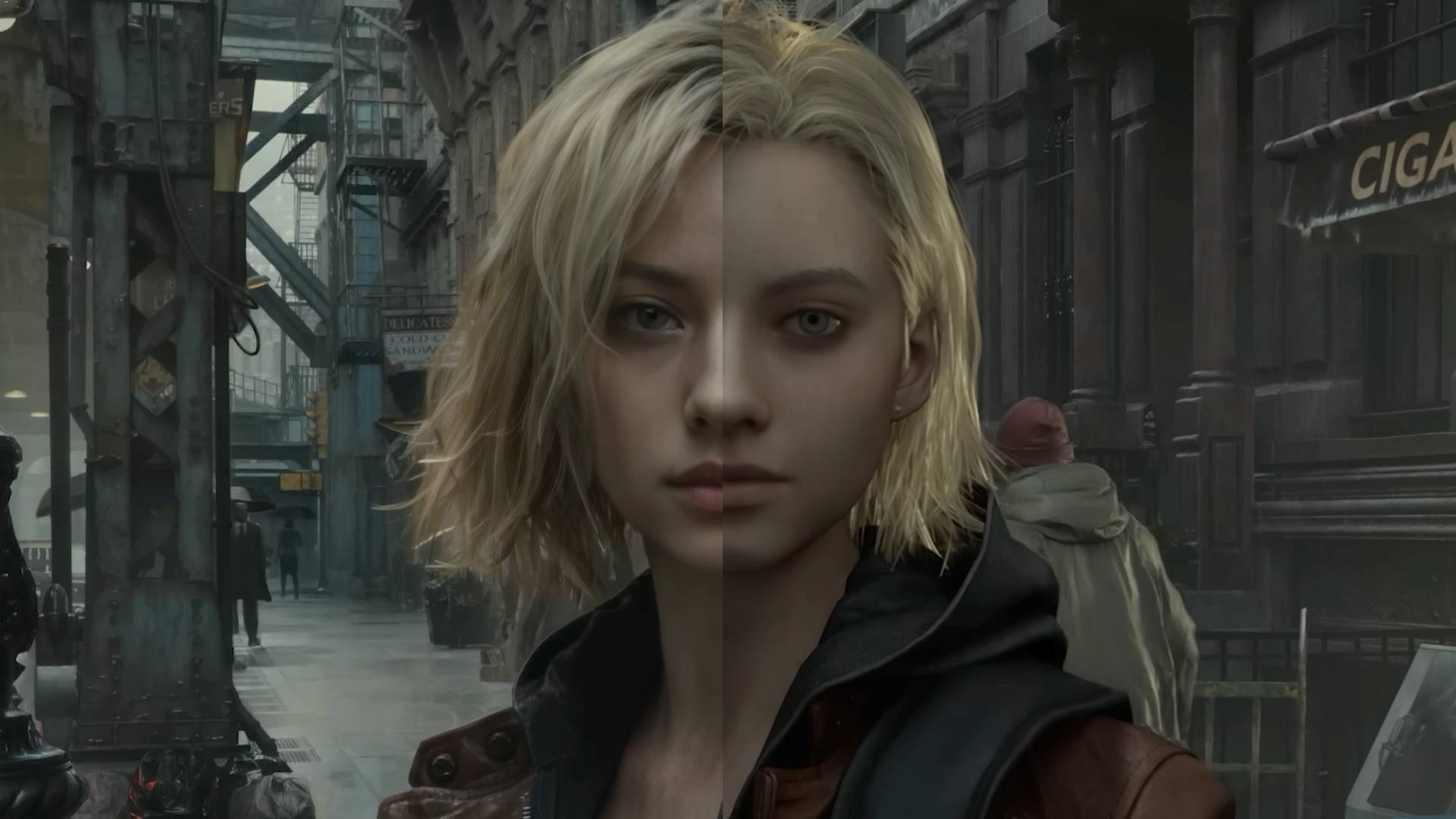

NVIDIA’s DLSS 5 reveal at GTC 2026 continues to divide the gaming industry, with strong reactions coming from developers who question how far AI-driven rendering should go. While some studios have already shown interest in the technology, others argue that it risks changing how games look and feel in ways that go beyond technical improvement.
Denis Dyack, known for creating titles like Eternal Darkness and Blood Omen: Legacy of Kain, has now shared a sharp critique of DLSS 5. He believes the technology crosses a line by interfering with artistic intent rather than simply enhancing visuals, and he warns that this shift could hurt the identity of modern games.
According to a short interview, Dyack did not hold back when discussing the broader impact of DLSS 5 on the industry.
“The recent reveal of NVIDIA DLSS 5 was a mistake and needs to go back to the drawing board. The current release seems to go beyond enhancing the look of a video game by fundamentally changing the game’s art direction. Never mind the artifacting and other AI art issues. The AAA industry is already in trouble, as it has become very difficult to justify production costs. Making things look spectacular is AAA games’ greatest advantage over smaller budget games. If DLSS 5 is widely adopted, it will accelerate the AAA process’s extinction, as it takes away the awe of what high-production art can bring to the table.”
Concerns About AAA Games
Dyack links DLSS 5 directly to a larger problem in the AAA space. Big-budget games rely on visual quality to justify their cost, and he argues that tools like DLSS 5 reduce that advantage by leveling the playing field with smaller studios. As a result, the gap between indie and AAA visuals becomes less meaningful, which puts pressure on already strained production models.
He also points to technical concerns such as artifacting and inconsistent output, which can break immersion and weaken the final presentation. These issues add to his argument that the technology needs more refinement before wide adoption.
AI in Games Is Still Overhyped
Beyond DLSS 5, Dyack also shared his broader view on AI in game development. He sees AI as a useful tool, but he rejects the idea that it can replace human creativity or reduce development effort.
He explains that AI often increases workload rather than reducing it, since teams still need people to guide, review, and refine the output. He also notes that AI already exists across development tools, which makes the current debate feel exaggerated.
Dyack believes the real value of AI lies in handling tasks that humans cannot do efficiently, such as processing large amounts of data quickly. He sees little benefit in using AI to replicate work that developers already handle well.
The criticism highlights a growing divide in how developers view AI-driven features like DLSS 5. Some see it as the next step in performance and visual scaling, while others worry about losing control over artistic direction.
For now, DLSS 5 remains one of the most talked-about technologies from GTC 2026, and reactions like Dyack’s suggest the debate is far from over.