
TSMC’s 3nm chip supply has tightened as demand from AI and consumer tech companies continues to rise, and this situation now shapes how companies plan products, secure capacity, and compete in the next phase of the semiconductor race. Apple and NVIDIA sit in a strong position because they have long-term relationships with TSMC, and that access allows them to secure advanced chips while others struggle to get enough supply.
According to DigiTimes, the shortage has turned chip procurement into a major operational challenge for companies that depend on advanced nodes.
“This is not only due to continuously rising prices caused by supply shortages, but also because insufficient capacity makes it difficult to win business. All of this has made procurement and capacity allocation the biggest operational challenges at present.” — DigiTimes
This pressure on supply means only “loyal” customers receive priority, and companies without deep ties to TSMC now face delays, higher costs, and limited production scale, which directly impacts their ability to compete in AI and high-performance computing markets.
Apple and NVIDIA Gain an Edge
Apple and NVIDIA continue to benefit from this tight supply because they secure priority access to TSMC’s most advanced nodes, and this advantage limits how much capacity remains for competitors trying to scale their own chips. NVIDIA’s close relationship with TSMC also extends into future processes, which strengthens its long-term position in AI hardware development.
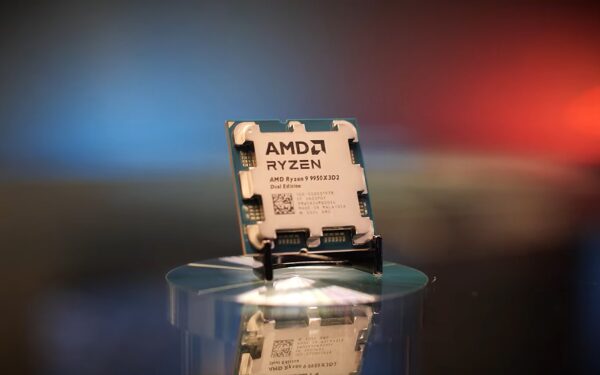
At the same time, companies like Intel, AMD, and several ASIC manufacturers still demand high-end nodes, but they receive lower allocation compared to AI-focused workloads, and that imbalance slows down their production plans.
TSMC’s 3nm production is expected to approach its limits by 2026, and companies now look at alternatives like Samsung Foundry and Intel Foundry to reduce dependence on a single supplier. However, shifting production involves redesign costs and risks of breaking established partnerships, which makes many firms hesitant to move quickly.
This “insufficient capacity” situation continues to reshape the industry, and companies that secure early access to advanced nodes now hold a clear advantage in both performance and scale.