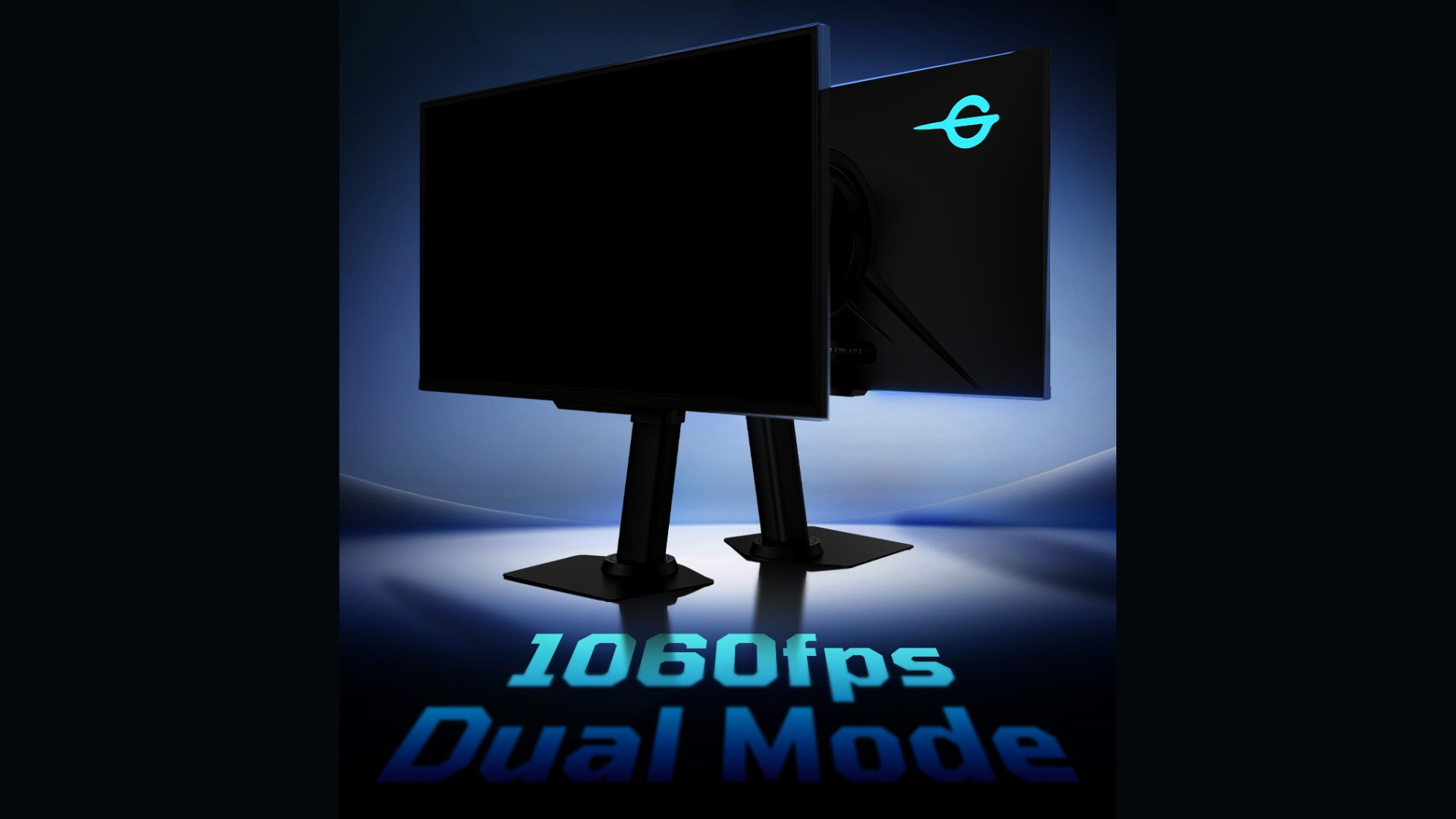

Titan Army appears to be preparing a new esports monitor called U275M, and the early details suggest it targets extremely high refresh rates with a dual-mode setup that balances resolution and speed for competitive gaming. The teaser points to a 27-inch QHD panel running at 565Hz, alongside a secondary HD mode that can reach up to 1060Hz, which places it among the fastest monitors currently teased.
The company seems to have slightly increased the refresh targets from earlier figures, moving from 560Hz and 1000Hz to 565Hz and 1060Hz, which shows a clear push toward higher performance in the same category. At the same time, the dual-mode approach follows a pattern already seen across brands where users switch to lower resolution to unlock extreme refresh rates.
Key specs and features
The teaser highlights several display technologies that focus on clarity, color accuracy, and motion handling, which are critical for esports users who prioritize responsiveness and visibility during fast gameplay.
- 27-inch QHD panel with 565Hz refresh rate
- Dual-mode HD 720p option reaching 1060Hz
- DyDs 2.0 motion clarity system
- Dual-side backlight technology
- QD Quantum Dot panel for better colors
- HDR 600 support
- Delta E less than 1 factory calibration
- Titan Widget PC tool and ambient lighting
DyDs 2.0 stands out as a key addition, and based on existing implementations, it combines black-frame insertion with local dimming to reduce motion blur and improve visibility in darker scenes. This setup targets FPS players who rely on smooth motion and clear visuals.
Where it stands in the 1000Hz race
The U275M enters a growing segment where brands like Acer, Samsung, Philips, HKC, and TCL are pushing similar dual-mode displays that trade resolution for speed. Known models already cross the 1000Hz mark, with HKC reaching 1080Hz and Samsung and TCL sitting at 1040Hz.
If Titan Army delivers the claimed 1060Hz performance, the U275M would rank near the top of this segment, although it still needs a full product listing with confirmed specifications and port details before anyone can verify real-world performance.