Skip to content
OnMSFT.com
  • Home
  • About
  • Contact
  • Windows
  • Surface
  • Xbox
  • How-To
  • OnPodcast
  • Edge
  • Teams
  • Gaming
Menu
  • Home
  • About
  • Contact
  • Windows
  • Surface
  • Xbox
  • How-To
  • OnPodcast
  • Edge
  • Teams
  • Gaming
  1. Home
  2. News
  3. Stay up to date on system status by streaming Azure Diagnostic Logs to Event Hubs

Stay up to date on system status by streaming Azure Diagnostic Logs to Event Hubs

Michael Cottuli Michael Cottuli
July 21, 2016
2 min read

If you’re using Azure, there’s a good chance you’re a big fan of its new and efficient ways to read data. Azure Diagnostic Logs, which provide insight into the operation of resources, are now going to be able to be streamed through Event Hubs. Up until now, you were only able to store Azure Diagnostic Logs in your storage account, but the addition of Event Hubs support gives users a lot more in the way of options.

Here’s what the change allows you to do, according to Microsoft’s Azure blog post:

  • Stream logs to 3rd party logging and telemetry systems – Over time, Event Hubs streaming will become the mechanism to pipe your Diagnostic Logs into 3rd party SIEMs and log analytics solutions.
  • View service health by streaming “hot path” data to PowerBI – Using Event Hubs, Stream Analytics, and PowerBI, you can easily transform your diagnostics data into near real-time insights on your Azure services.
  • Build a custom telemetry and logging platform – If you already have a custom-built telemetry platform or are just thinking about building one, the highly scalable publish-subscribe nature of Event Hubs allows you to flexibly ingest diagnostic logs.

This isn’t a major change, but it frees up some options for people who consider themselves data hounds. Event Hubs is a service that’s already constantly streaming information to its user, so adding the data from Azure Diagnostic Logs just makes sense. If you want to learn a little bit more about what Event Hubs has to offer, you can check out its official site here.

Further reading: Azure, Microsoft

Share this article:
Tags:
Azure Microsoft
Previous Article Keep These 3 “urgent Truths” In Mind When Considering Your Mobile Cloud Computing In 2016 – onmsft.com Next Article Microsoft publishes new Dynamics 365 roadmap, packaging and licensing updates on the way

Related Articles

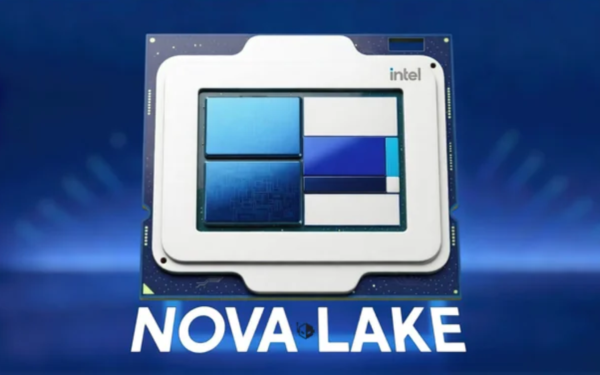
New Intel Leak Shows Bigger Nova Lake Desktop CPU with 44 Cores

April 4, 2026

NVIDIA Neural Rendering Reduces VRAM From 6.5GB to 970MB Without Losing Detail

April 4, 2026

H.264 Licensing Fees Rise to $4.5 Million for Streaming Platforms in 2026

April 4, 2026

Leave a Comment Cancel reply

Your email address will not be published. Required fields are marked *

Recent Posts

  • New Intel Leak Shows Bigger Nova Lake Desktop CPU with 44 Cores
  • NVIDIA Neural Rendering Reduces VRAM From 6.5GB to 970MB Without Losing Detail
  • H.264 Licensing Fees Rise to $4.5 Million for Streaming Platforms in 2026
  • Sony quietly updates PlayStation Studios site as PC plans come into question
  • Red Magic 11 runs PC games like GTA 5 and Cyberpunk 2077 on Android at 60 FPS

Recent Comments

  1. XxRIVTYxX on Intel Says It Tried to Help Before Crimson Desert Dropped Arc Support
  2. Gaurav Kumar on Chrome Prepares Nudge to ‘Move Tabs to the Side’ as Vertical Tabs Near Release
OnMSFT.com

The Tech News Site

Categories

  • Windows
  • Surface
  • Xbox
  • How-To
  • OnPodcast
  • Gaming
  • Edge
  • Teams

Recent Posts

  • New Intel Leak Shows Bigger Nova Lake Desktop CPU with 44 Cores
  • NVIDIA Neural Rendering Reduces VRAM From 6.5GB to 970MB Without Losing Detail
  • H.264 Licensing Fees Rise to $4.5 Million for Streaming Platforms in 2026
  • Sony quietly updates PlayStation Studios site as PC plans come into question
  • Red Magic 11 runs PC games like GTA 5 and Cyberpunk 2077 on Android at 60 FPS

Quick Links

  • About OnMSFT.com
  • Contact OnMSFT
  • Join Our Team
  • Privacy Policy
© 2010–2026 OnMSFT.com LLC. All rights reserved.
About OnMSFT.comContact OnMSFTPrivacy Policy