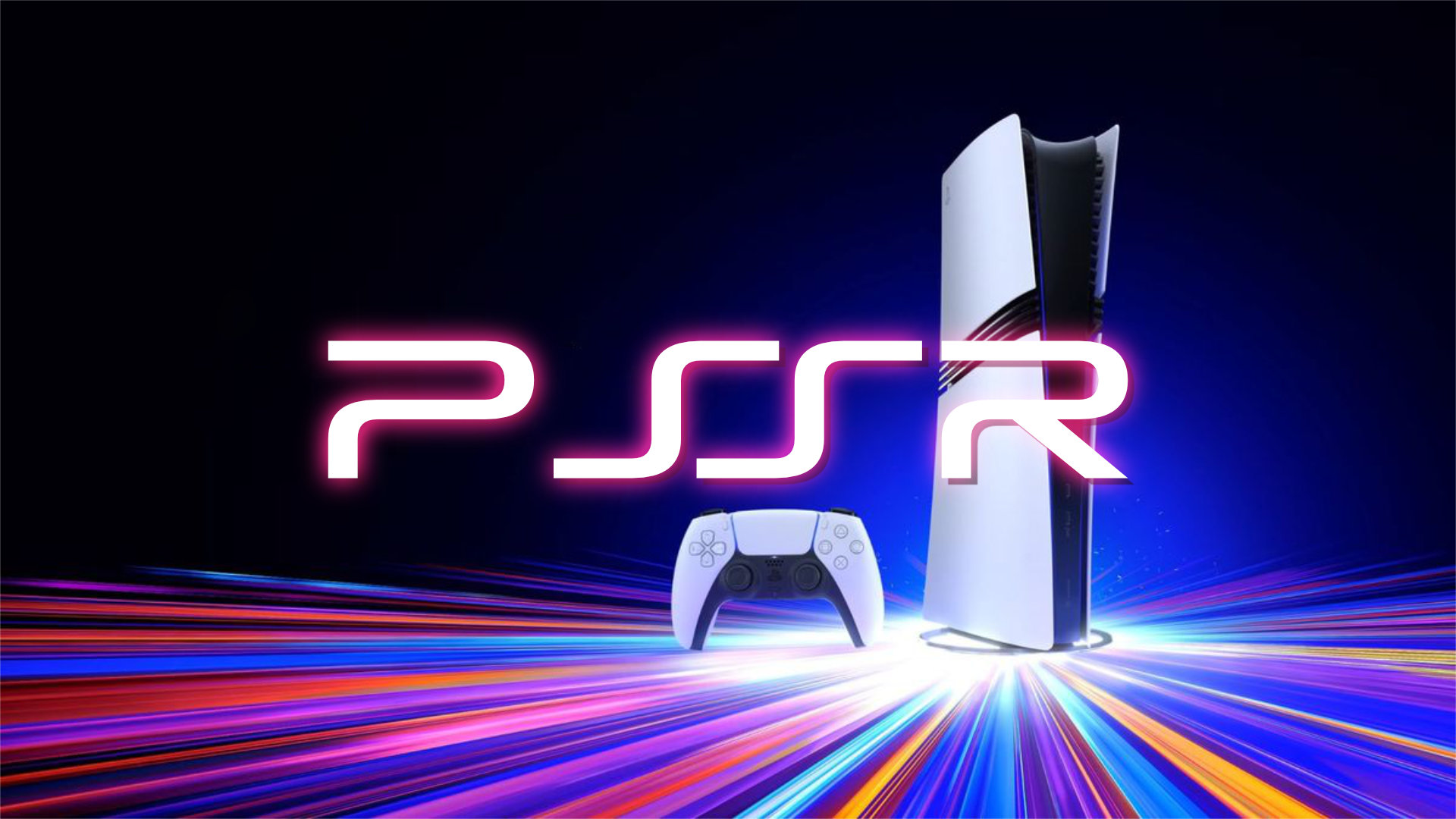

Sony has now clarified how its latest PSSR upscaling technology connects to AMD’s FSR Upscaling, and the update shows a shared foundation with a key technical shift in how each system runs the same idea. The new PSSR on PS5 Pro uses the same co-developed algorithm as FSR Upscaling, but Sony has tuned it for INT8 execution, while AMD’s latest PC implementation relies on FP8. That difference comes down to hardware design, not a completely different approach, which explains why both solutions now produce closely matched results in real-world use.
Mark Cerny explained that both systems still rely on similar training methods and shared development work, even if the implementation changes based on the hardware target.
“FSR Redstone and the new PSSR have somewhat different implementations due to the underlying hardware, eg FSR Upscaling uses 8-bit floating point and PSSR uses 8-bit integer.”
That shift matters because PS5 Pro does not use a pure RDNA 4 design. Instead, Sony mixes RDNA 2 foundations with newer ray tracing and custom machine learning hardware, which makes INT8 a better fit for its architecture. On PC, AMD focuses on RDNA 4 GPUs, where FP8 performs better in both image quality and speed, especially on the Radeon RX 9000 series.
INT8 vs FP8: same model, different path
Sony and AMD still use what Cerny calls “the same model,” but each version trains on slightly different datasets depending on the target. That includes factors like fixed upscale ratios on consoles, where performance targets stay locked at 30fps, 60fps, or 120fps.
“In practice, the same model is used but it’s trained on different data… not seeing too much difference in results.”
That explains why early comparisons show INT8 builds trailing FP8 on RDNA 4 hardware, while still outperforming older FSR 3.1 in many scenes. The gap exists, but it does not drastically change the experience, especially on console where consistency matters more than peak output.
Sony also focused on improving speed alongside quality. Cerny confirmed that the updated PSSR runs faster than the original version, which allowed Sony to introduce a system-level upgrade toggle.
“The new PSSR is something like 100 microseconds faster than the original.”
That small gain helps reduce frame drops and allows the “Enhance PSSR Image Quality” option to work across supported titles without requiring full developer patches. In many cases, the new PSSR acts as a drop-in replacement, which simplifies adoption across games.
At the same time, Sony admits that edge cases still exist. Some scenes can show minor aliasing when the enhancement mode is enabled, but overall image quality improves in most situations.
A shared future for Sony and AMD
Cerny’s comments confirm that Sony and AMD now ship two closely related versions of the same Project Amethyst work. One version targets FP8 on modern PC GPUs, while the other uses INT8 for PS5 Pro’s custom hardware. The results stay close enough that both paths feel like variations of the same technology rather than separate solutions.
This alignment also raises a practical question. If INT8 builds already run on older RDNA 2 and RDNA 3 hardware in unofficial tests, then AMD has room to expand support beyond RDNA 4 in future updates.