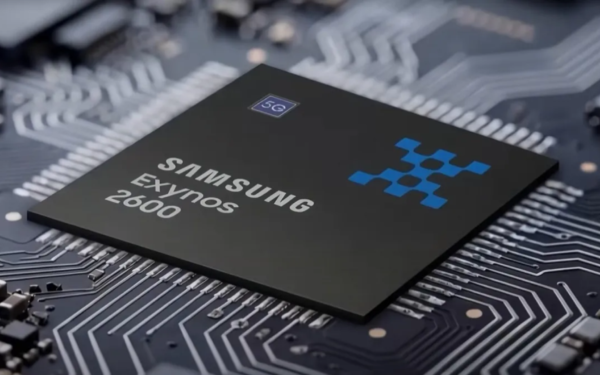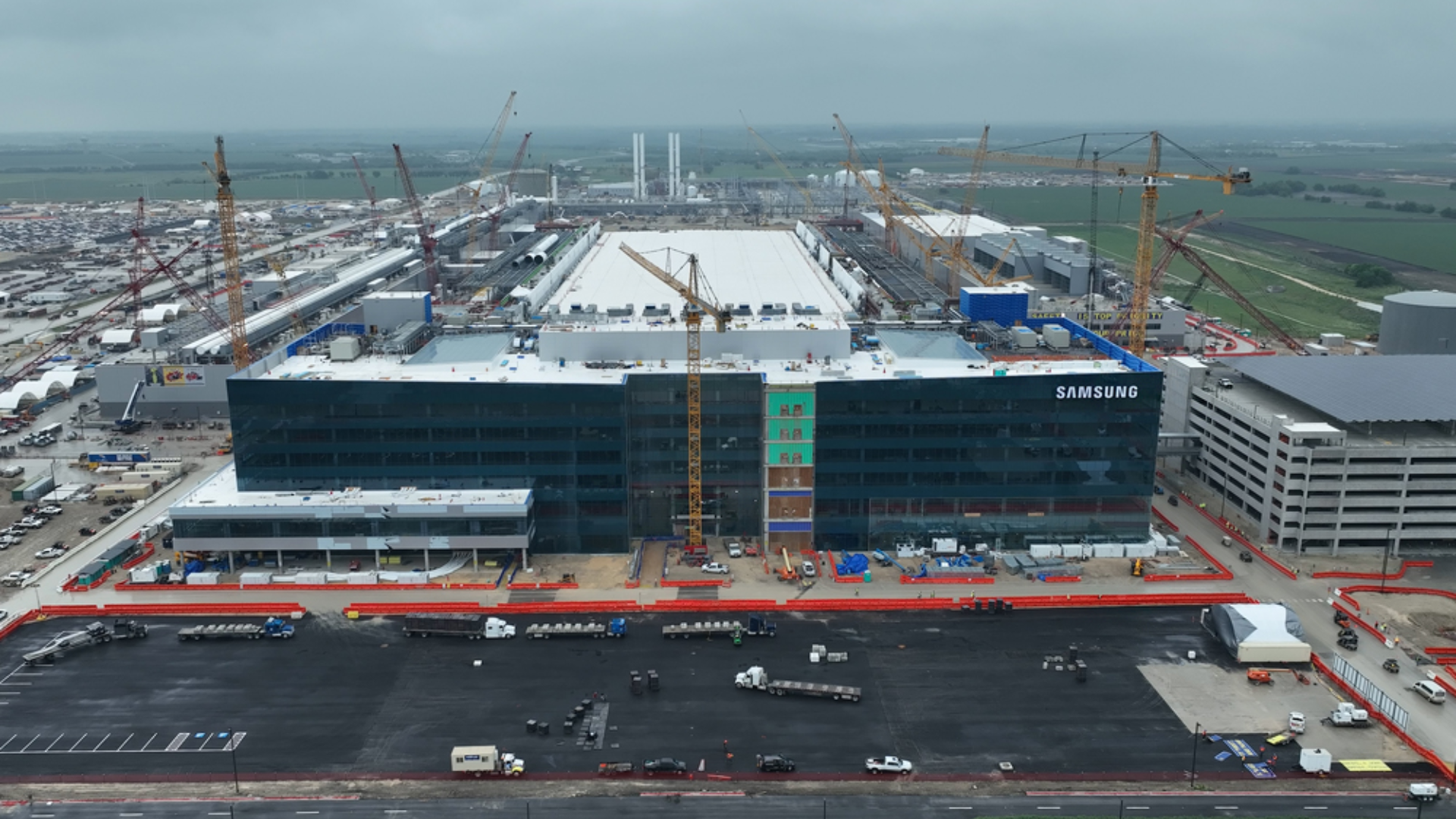

Samsung is moving forward with its next-generation chip manufacturing plans in the United States, as its Taylor, Texas plant enters trial operations with a focus on advanced 2nm technology. The company has already reached an estimated 60 percent yield on its 2nm gate-all-around process, which gives it enough confidence to begin testing production at the facility while preparing for full-scale manufacturing in the coming years.
The Taylor plant was originally planned for 4nm production, but Samsung has shifted its strategy and is now positioning the site as a key hub for its 2nm process. This move puts the company in a strong position in the U.S. market, especially as demand for AI chips continues to rise and competitors face capacity limits.
Trial Production and Equipment Setup
Samsung has already started commissioning work at the Taylor facility, with extreme ultraviolet equipment testing underway and core semiconductor tools such as etching and deposition systems being installed inside clean rooms. Some sections of the plant have received a Temporary Certificate of Occupancy, which allows engineers and technical staff to operate on-site and accelerate progress.
Edaily reports that Samsung has deployed thousands of employees to support trial production and has also received assistance from ASML for EUV machine deployment. This stage focuses on stabilizing the manufacturing process and improving yields before scaling up production.
Samsung is building a strong customer base for its 2nm process, with major clients already lined up across industries. Tesla remains one of its key partners for AI chips, while additional orders are coming from U.S. fabless companies and cloud service providers. The company is also working with firms involved in automotive AI systems and specialized chip manufacturing.
The rising demand for AI semiconductors has created a supply gap, as leading competitors struggle to meet orders with their current capacity. This situation gives Samsung an opportunity to attract more customers looking for reliable alternatives in advanced node production.
Production Timeline and Competitive Position
Samsung plans to begin operations at the Taylor plant later this year, with full-scale mass production expected by 2027. The facility will support both 2nm and 4nm processes, although the focus remains on advancing 2nm capabilities and improving yield efficiency.
At the same time, competitors are expanding their presence in the U.S., and new semiconductor initiatives continue to emerge, which keeps pressure on Samsung to maintain its technological edge. The company is focusing on stabilizing yields and reducing costs, which will help it stay competitive while scaling its foundry business globally.