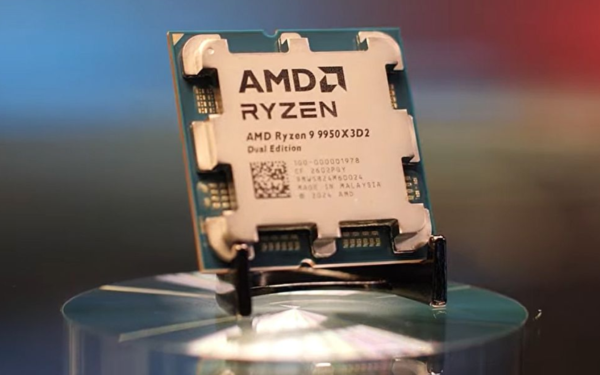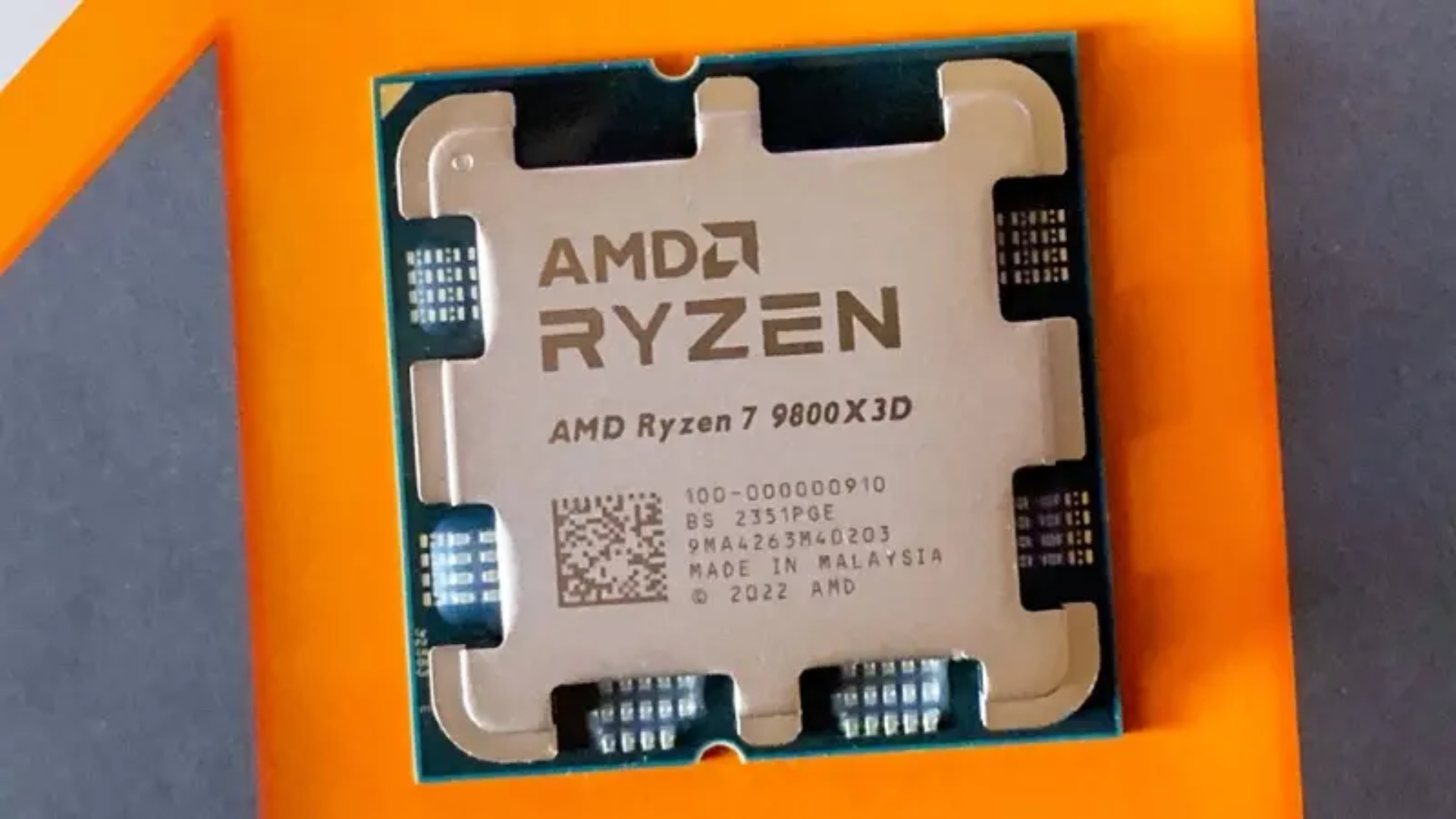

A troubling case involving AMD’s Ryzen 7 9800X3D is raising fresh concerns about motherboard reliability, after one user reported that three separate CPUs failed within months while using the same ASRock B850M PRO RS WiFi board, with each replacement chip dying faster than the last despite BIOS updates and stable system conditions.
Reddit user u/notmember shared detailed logs of repeated CPU failures on the ASRock subreddit, describing how a system built in early 2025 started showing serious issues later in the year, eventually leading to multiple RMAs and a complete loss of trust in the motherboard.
Three CPUs Failed in the Same System
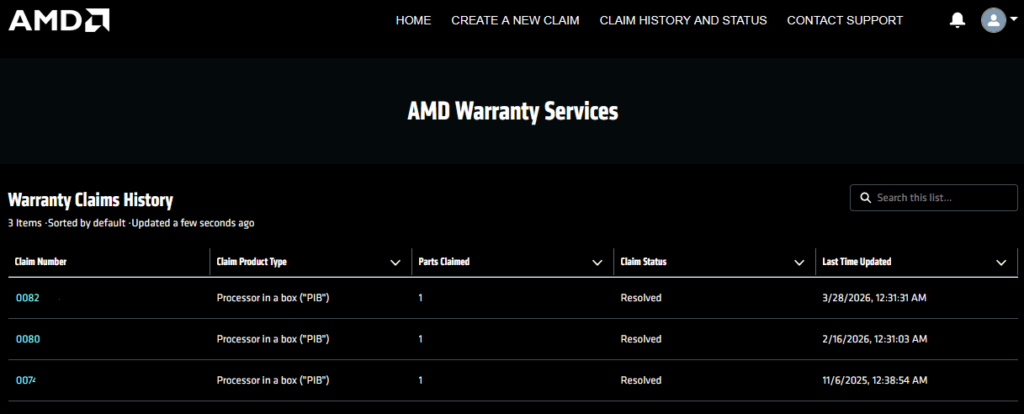
The user explained that the first Ryzen 7 9800X3D failed in November 2025, several months after the initial build, with motherboard debug lights pointing to CPU and DRAM errors, which initially seemed like a one-off hardware fault rather than a deeper issue.
After receiving a replacement CPU through AMD’s RMA process, the second processor lasted only a couple of months before failing with similar symptoms, and the third replacement performed even worse by failing within a month while running a newer BIOS version that was supposed to address stability issues.
System built Jan ’25 and first CPU dead in Nov ’25 with CPU and DRAM lights on mobo(thought I was safe).
Second CPU dead only a couple of months later with CPU and DRAM lights again.
Third CPU dead with solid green BOOT light and no display(new symptom of dead CPU) just one month later with latest 4.X BIOS versions.
So my motherboard is not only a serial CPU killer but it seems to be killing them faster each time.
Decided that 3 dead CPUs was enough and bought a new mobo. So what to do with my killer board now? What will Asrock do if I try to RMA a functioning board? Send it back to me? Has anyone ever received a refund from Asrock for their killer boards?This pattern of failure, where each replacement lasted for a shorter duration, pushed the user to label the board as a “serial CPU killer,” a phrase that reflects growing frustration among early adopters of certain ASRock 800-series boards.
BIOS Updates Did Not Prevent Failures
The user kept the motherboard updated with newer BIOS versions throughout the testing period, moving from version 3.50 to 4.03 and later to 4.07 beta, which included updated AGESA microcode aimed at improving CPU compatibility and preventing similar issues.
However, even with these updates in place, the system continued to show failure symptoms, which suggests that firmware alone did not resolve the underlying problem and raises questions about whether early hardware revisions of these boards carry deeper reliability risks.
This case highlights a broader concern that some early 2025 ASRock 800-series motherboards may expose high-end CPUs to repeated failure, especially when users encounter even a single unexplained crash or hardware death under normal usage conditions.
Users who experience similar issues often replace the processor first, but this report suggests that replacing the motherboard becomes necessary much earlier, since repeated CPU failures on the same board point to a systemic issue rather than isolated defects.
As a precaution, users still running these boards should install the latest BIOS updates, such as version 4.10, and monitor system behavior closely, while those who have already faced a failure may want to consider switching motherboards before risking further hardware damage.