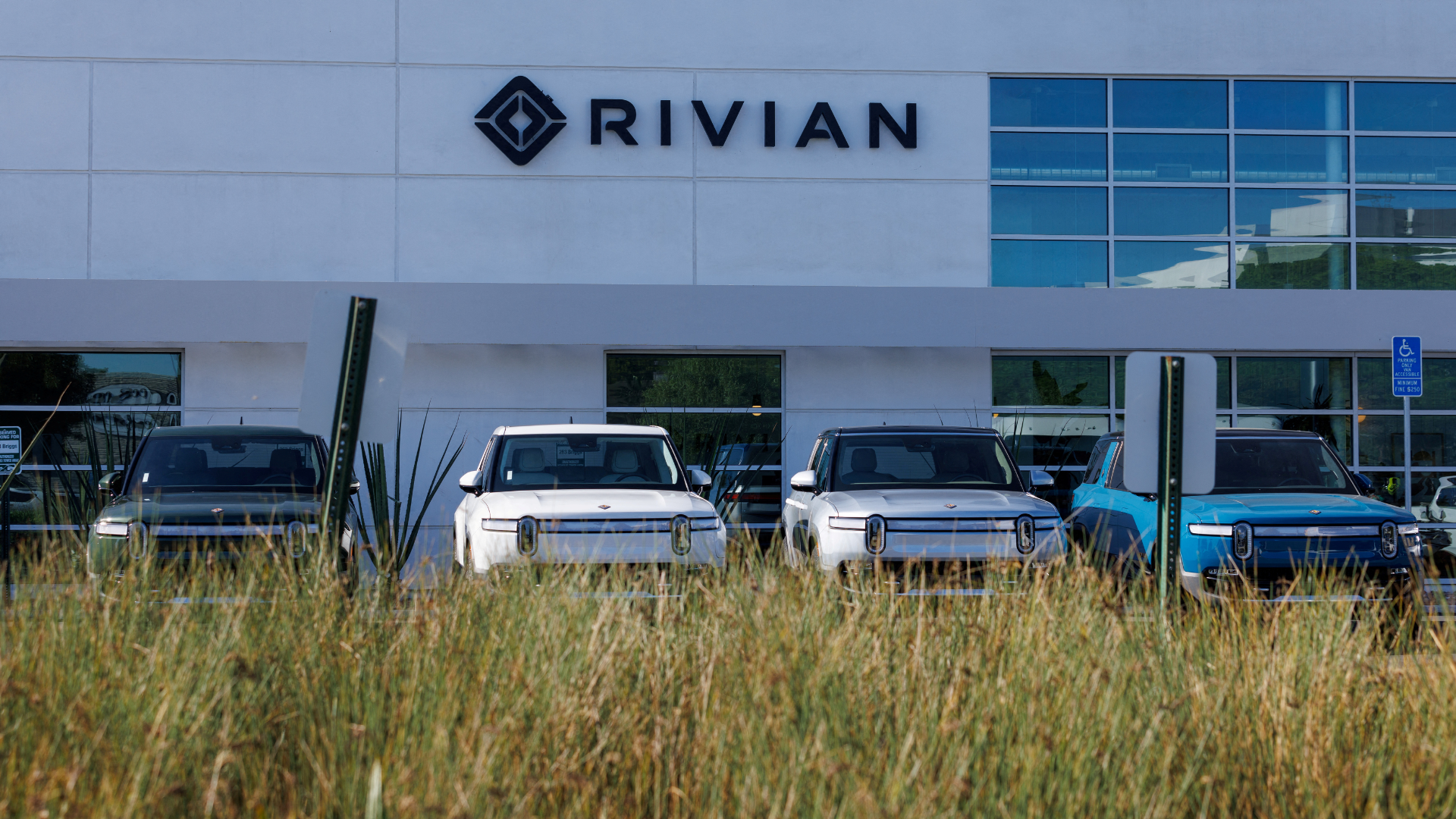

Rivian no longer expects to hit its long-standing profitability target by 2027, and the company now links that delay directly to rising spending on self-driving technology, which has become its biggest priority as it prepares the next phase of its electric vehicle business.
The company said it does not expect to reach positive EBITDA next year because research and development costs continue to climb, driven by faster progress in autonomy, upcoming product launches, and higher engineering and software expenses tied to its future vehicle lineup.
According to its latest regulatory filing, Rivian outlined this shift while also detailing a new partnership with Uber, where both companies plan to build robotaxi versions of the upcoming R2 SUV for Uber’s ride-hailing network.
Rising costs and missed targets
Rivian has repeatedly told investors it could achieve positive EBITDA in 2027 if it successfully launched the R2 SUV and grew software revenue, but several pressures have made that goal harder to reach, including the loss of federal EV tax credits, reduced regulatory credit sales, and rising costs linked to tariffs.
The company has also recorded heavy losses over time, reporting a total net loss of $27 billion from its founding in 2009 through the end of 2025, which continues to weigh on its path to profitability.
Rivian’s focus has now shifted sharply toward building its own self-driving technology, which has pushed spending higher, with research and development costs reaching $1.7 billion in 2025, up from $1.6 billion the previous year.
The company is developing its own large driving model along with custom processors and an autonomy computer, and it plans to introduce hands-free and eyes-off driving next year while working toward personal Level 4 capability.
Uber deal adds scale but delays returns
Rivian’s new deal with Uber includes a potential investment of up to $1.25 billion and plans for large vehicle orders over time, though the initial phase remains smaller and much of the agreement stretches toward 2030.
At the same time, Rivian continues to face major spending commitments, including a new factory in Georgia and the upcoming production launch of the R2 SUV, with expected annual spending between $1.95 billion and $2.05 billion.
Rivian is pushing hard on autonomy and future products, but those investments are now clearly delaying its path to profitability.