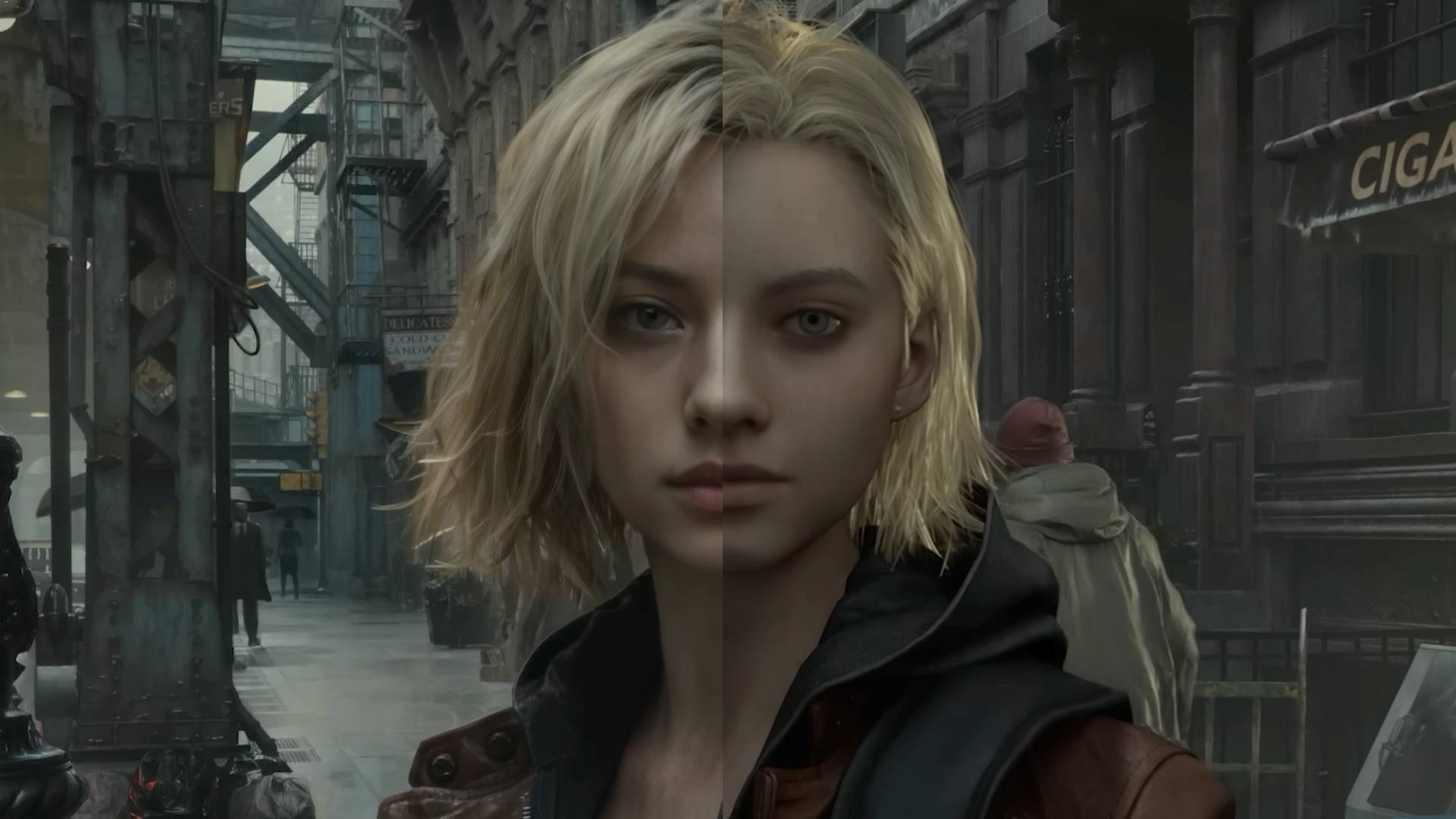

NVIDIA CEO Jensen Huang has taken a noticeably calmer tone on the growing criticism around DLSS 5, acknowledging that players have valid concerns about how AI-generated visuals can start to feel repetitive and overly polished. He now says he understands why some gamers pushed back, especially when similar-looking outputs begin to dominate modern graphics.
Huang addressed the issue directly and admitted that even he does not enjoy what many describe as “AI slop,” referring to content that looks technically impressive but lacks uniqueness. At the same time, he continues to defend DLSS 5 as a tool designed to support artists rather than replace their work, stressing that the technology works alongside human-created assets.
Speaking on the Lex Fridman podcast, Huang explained his position in more detail and clarified how NVIDIA views the role of AI in game rendering.
“Yeah. I think their perspective makes sense and I could see where they’re coming from, because I don’t love AI slop myself. You know, all of the AI-generated content increasingly looks similar and they’re all beautiful, and so I’m empathetic towards what they’re thinking.”
— Jensen Huang during Lex Fridman podcast
DLSS 5 still centers on artist control
Even with this softer tone, Huang has not changed his core message about DLSS 5. He continues to describe it as “3D-conditioned” and “3D-guided,” meaning the system relies on structured scene data rather than acting as a simple post-processing filter. According to him, the technology respects the geometry and textures created by artists and enhances them without altering the original intent.
“DLSS 5 is 3D-conditioned, 3D-guided. It’s ground truth structure data guided. And so the artist determined the geometry. We are completely truthful to the geometry maintained in every single frame. It’s conditioned by the textures, the artistry of the artist.”
— Jensen Huang
At the same time, NVIDIA has confirmed that DLSS 5 also uses 2D image inputs in its pipeline, which adds more complexity to how the system actually works in practice. This detail raises questions about how much of the final output comes directly from original assets versus AI-driven reconstruction.
Huang also pointed to a broader vision for DLSS 5, where developers gain more control over how AI shapes the final look of a game. He said studios can eventually train custom models or guide rendering toward specific styles, including stylized or toon-like visuals, while still keeping consistency with the original art direction.
“DLSS 5 also lets, because the system is open, you could train your own models… you could even in the future prompt it… and it would generate in the style of that, all consistent with the artistry, the style, the intent of the artist.”
— Jensen Huang
He added that DLSS is meant to integrate directly into the development process, giving creators the option to use AI as a tool rather than forcing it into finished games after release.
For now, Huang’s updated tone shows a clearer effort to address player concerns while still pushing forward with NVIDIA’s broader AI-driven rendering strategy.