
NVIDIA’s rise in artificial intelligence traces back to a risky decision that did not promise returns at the time, and CEO Jensen Huang now says that betting on CUDA nearly cost the company its future while laying the foundation for everything it leads today.
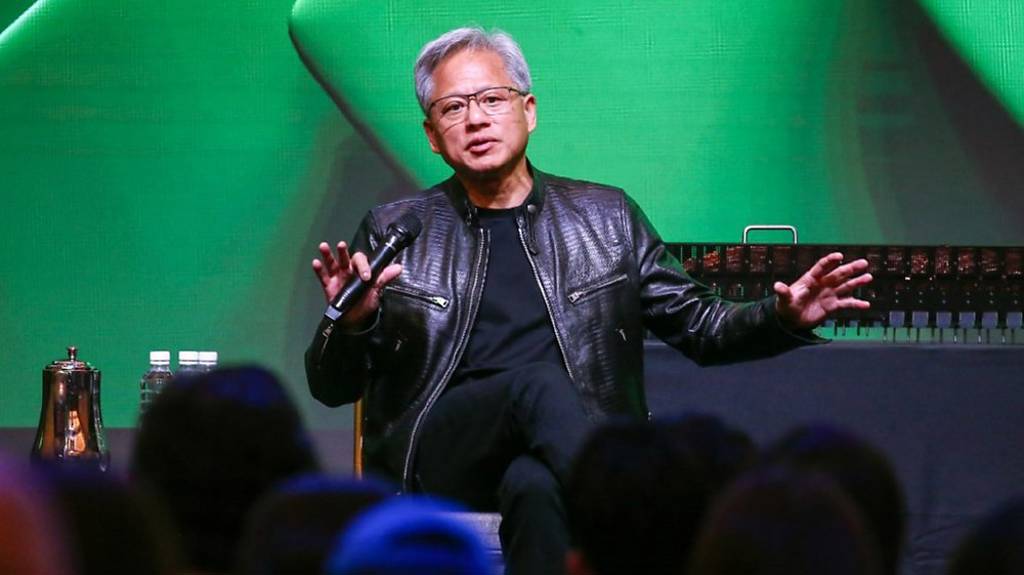
Huang shared this during his appearance on the Lex Fridman podcast, where he explained how NVIDIA chose to move beyond being a graphics-focused company and instead build a full computing platform that could handle a wide range of workloads.
“It cost the company enormous amounts of our profits and we couldn’t afford it at the time. But we did it anyways because we wanted to be a computing company. We increased our cost by 50% and we were a 35% gross margin company. Our market cap went down to like one and a half billion dollars.”
— Jensen Huang, NVIDIA CEO
A long-term bet on programmable GPUs
CUDA started as an idea to make GPUs programmable beyond graphics, and NVIDIA used early technologies like pixel shaders and FP32 computation to push GPUs into serious computing tasks, which slowly attracted researchers working on data-heavy problems.
At that point, NVIDIA’s core audience focused on gaming, so adding CUDA to GeForce GPUs brought no immediate revenue, yet the company pushed forward because Huang wanted to expand NVIDIA’s role in computing without losing its specialization.
He described this balance as a “narrow path,” where NVIDIA had to grow its capabilities while still maintaining its strength in graphics.
GeForce made CUDA possible
CUDA took nearly a decade to show real results, and during that time, NVIDIA had to maintain the software ecosystem without clear financial gains, which required patience from both leadership and developers.
Huang credits GeForce for making CUDA widely accessible, calling it the platform that carried CUDA into the hands of developers and researchers around the world.
He summed it up with a line that reflects NVIDIA’s journey, saying the company is “the house that GeForce built,” which explains how a costly gamble turned into the backbone of its dominance in AI today.