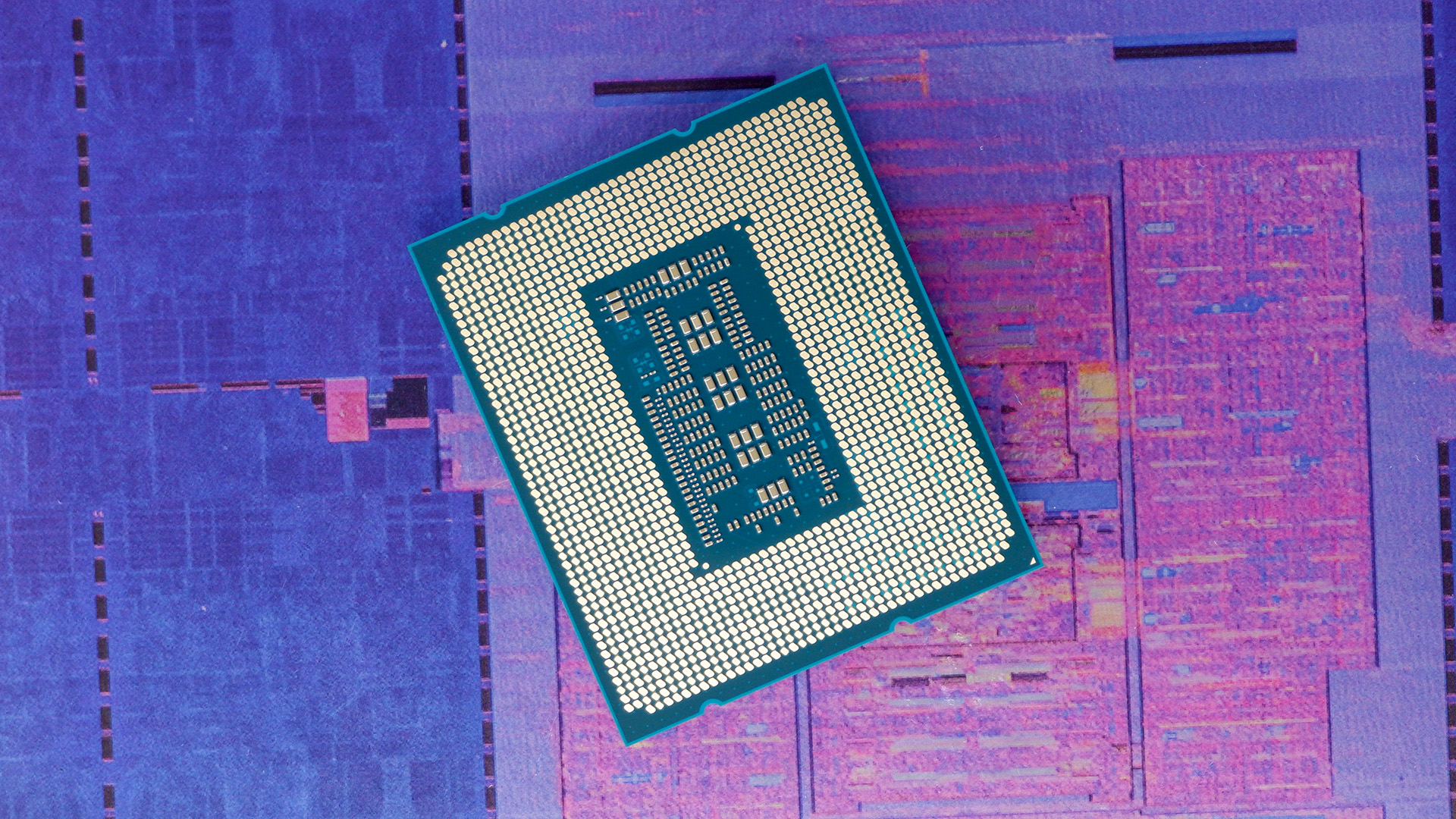

Motherboard makers are stepping back from launching new boards for Intel’s Arrow Lake Refresh, and the reason comes down to demand, pricing pressure, and a shift back toward older memory standards. MSI and ASUS have both decided not to release new Z890 motherboards, as current models already support the latest Core Ultra 200S Plus processors without any major limitations.
Reports indicate that MSI plans to focus more on DDR4-based motherboards instead of investing in refreshed Z890 boards, which shows how vendors are reacting to rising DDR5 memory prices and slower adoption rates across the market.
Vendors are skipping new Z890 boards
Most vendors see no real need to introduce new motherboards for Arrow Lake Refresh, since the existing Z890 lineup already handles the updated CPUs without issues, and sales of Arrow Lake processors have not been strong enough to justify a new wave of products.
GFF Events suggests that ASUS shares the same view, as the company does not plan to release new boards either, since any improvements would likely focus on memory tuning rather than meaningful performance gains.
At the same time, higher DDR5 prices continue to affect buying decisions, which has reduced demand for DDR5 motherboards and pushed vendors to reconsider their strategy.
DDR4 makes a comeback as costs rise
MSI’s renewed interest in DDR4 boards reflects a broader shift in the market, where users look for more affordable options instead of upgrading to expensive DDR5 platforms, especially when performance differences do not justify the added cost.
Some companies like ASRock have already experimented with combo motherboards that support both DDR4 and DDR5, but MSI appears ready to lean more directly into DDR4 production, either by expanding existing models or introducing new ones.
Colorful looks even further back with DDR3 restock
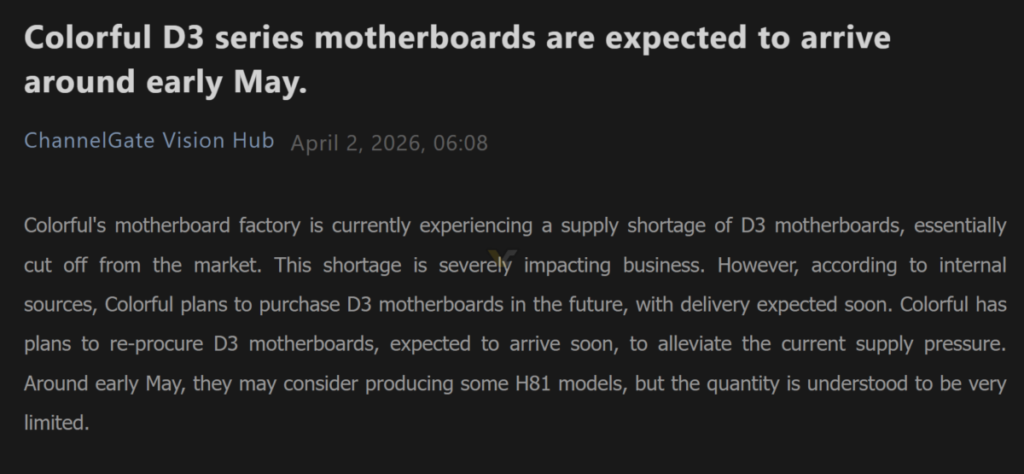
ChannelGate reports that Colorful is preparing to restock older DDR3-based motherboards to deal with supply shortages and demand for low-cost replacements, with limited shipments expected to arrive soon.
The company may also bring back H81 chipset boards, which originally launched in 2013 and support fourth-generation Intel Core processors, making them suitable for older systems that still need maintenance or upgrades.
This move does not signal a full return of DDR3 platforms, but it highlights how parts of the market still rely on legacy hardware, especially in cost-sensitive environments where upgrading to newer standards remains difficult.
Vendors are adjusting their roadmap based on real demand instead of pushing new hardware that offers limited value, and that shift explains why DDR4 is gaining attention again while DDR5 adoption slows down.
For buyers, this means more affordable motherboard options will remain available, even as newer platforms continue to develop at a slower pace due to pricing and supply constraints.