
The ongoing conflict in the Middle East is starting to impact the global AI chip supply chain, with growing risks around energy, raw materials, and semiconductor production. The situation now affects key regions like Taiwan and South Korea, which play a central role in producing chips used across AI infrastructure.
The biggest concern is energy supply. Semiconductor manufacturing depends on stable electricity, and both Taiwan and South Korea rely heavily on imports routed through the Strait of Hormuz. Any disruption in oil or natural gas shipments puts pressure on power generation, which directly affects chip production capacity.
According to Ctee, citing a Barclays report, the conflict has already entered its third week and is beginning to align with shipping cycles for crude oil and natural gas, raising concerns about supply disruptions. The report states:
“Barclays research team points out that the Middle East conflict has entered its third week, which coincides with the typical shipping cycle for crude oil and natural gas from the Middle East to North Asia.”
Taiwan faces immediate pressure
Taiwan appears especially vulnerable due to limited LNG reserves and its reliance on natural gas for electricity. Reports indicate that Taiwan has around 11 days of LNG supply, which raises serious concerns about power stability if the conflict continues.
The situation becomes more critical when considering that chip manufacturing requires continuous operations. Even short disruptions can damage production. As noted:
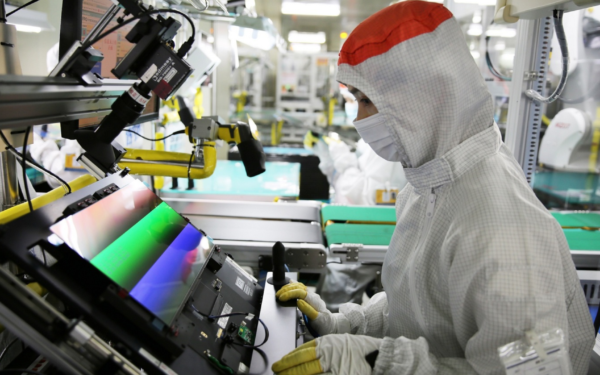
“wafer manufacturing requires 24-hour uninterrupted operation, even if there is a short-term power outage or voltage fluctuation, it may lead to the scrapping of entire batches of wafers.”
TSMC alone accounts for over 10 percent of Taiwan’s electricity use, which shows how tightly energy supply links to semiconductor output.
Raw material risks and global impact
Beyond energy, the semiconductor industry depends on materials sourced from the Middle East, including helium and bromine. Any disruption in these supplies creates further pressure on production.
Barclays warns that if the situation continues for months, the industry may face a “black swan” event where chip supply drops sharply while demand remains steady. This imbalance would push prices higher and disrupt AI deployments across companies that depend on these chips.
The broader impact reaches companies building AI infrastructure, as even small changes in chip supply can delay projects and affect long-term planning.