
Intel’s advanced packaging business is gaining real traction as AI companies search for alternatives to tight supply at rival foundries, and this shift is pushing technologies like EMIB into the spotlight as demand for high-performance chip integration continues to rise.
The company already sees strong interest from customers willing to commit early, which shows that packaging now plays a central role in scaling AI performance.
Intel sees billions in early commitments
Intel confirmed that its advanced packaging unit has secured commitments worth billions of dollars this year, and the company also said customers are willing to prepay for capacity, which signals strong confidence in its EMIB platform and related technologies. CFO David Zinsner described packaging as a key driver for near-term revenue, even before traditional wafer manufacturing ramps up at scale.
“Ironically, the more interesting part of the Foundry business today,” said David Zinsner, adding that Intel is close to closing deals worth billions annually.
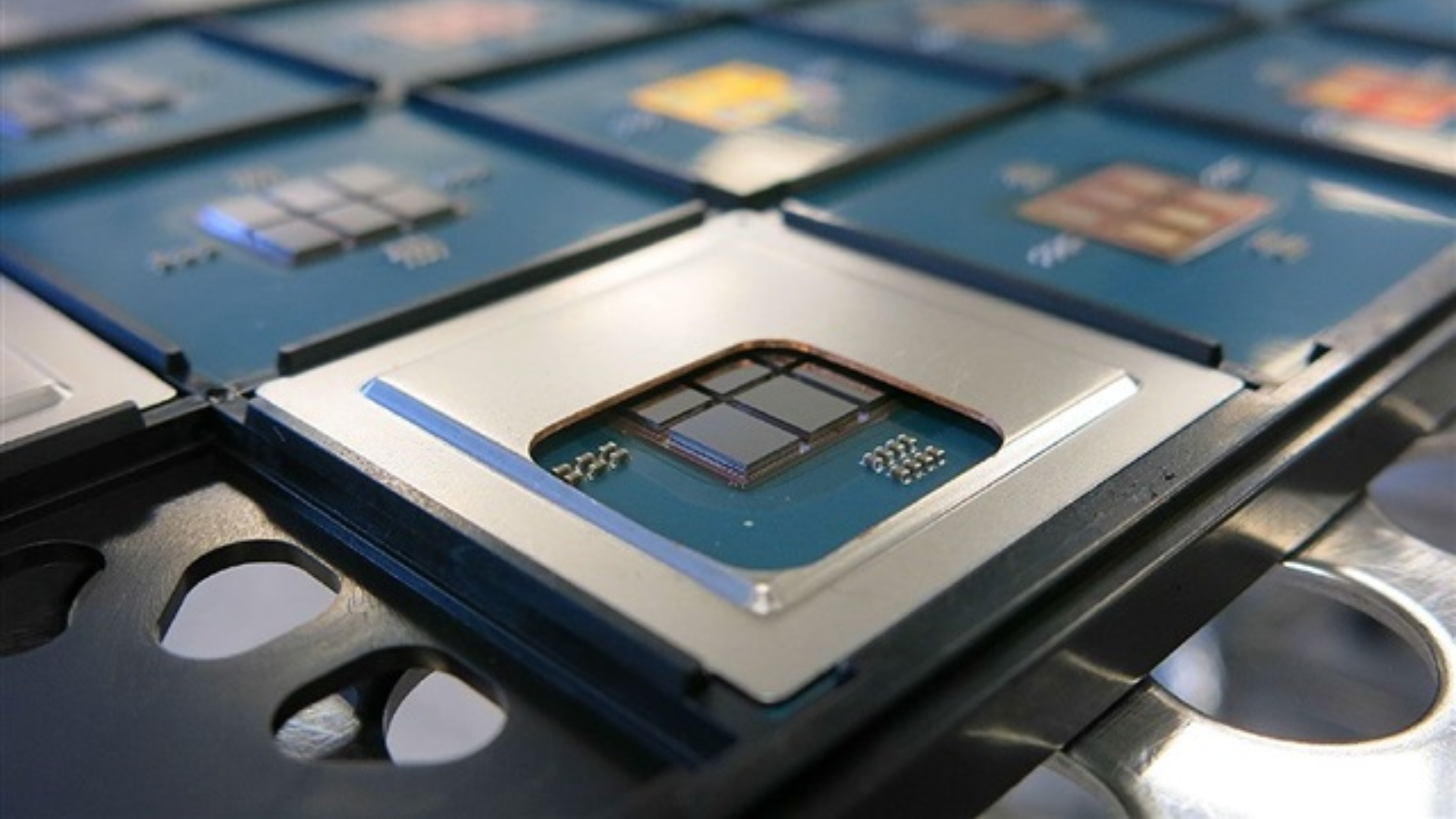
This momentum comes as AI workloads continue to push chip design toward multi-die architectures, where packaging becomes as important as the silicon itself, and Intel’s approach allows customers to combine multiple chiplets into a single system with improved efficiency and performance.
Big tech interest signals a shift
WIRED reports that Intel is in active talks with large customers such as Google and Amazon, both of which build custom AI chips and rely on external partners for parts of production.
“Multiple sources say that Intel has been in ongoing talks with at least two large customers… Google and Amazon,” reported WIRED.
These companies already design advanced ASICs like TPUs and Trainium chips, and integrating Intel’s EMIB or EMIB-T packaging could help them scale performance while reducing reliance on constrained supply chains tied to competitors.
EMIB vs CoWoS in the AI race
Right now, TSMC dominates advanced packaging through its CoWoS platform, but supply limits have created a gap that Intel is trying to fill, and this situation gives EMIB a clear opportunity to gain market share.
Intel’s packaging stands out because it offers flexibility, allowing customers to “enter and exit” the manufacturing process at different stages, which helps companies mix and match suppliers without committing to a single ecosystem.
Intel also benefits from a more geographically distributed manufacturing base, which reduces risk for customers concerned about supply concentration, while ongoing investments in facilities like New Mexico and Malaysia aim to expand capacity further.
Intel expects more details about customer deals to emerge in the second half of 2026, and upcoming earnings calls will likely provide clearer signals about how fast the packaging business is scaling. The company sees advanced packaging as a long-term differentiator in the AI era, and early demand suggests that customers are ready to back that strategy with serious investment.
As AI chip design continues to evolve, Intel’s push into packaging gives it a path to compete more directly with TSMC, while EMIB gains ground as a practical alternative for companies that need performance without waiting for limited capacity elsewhere.