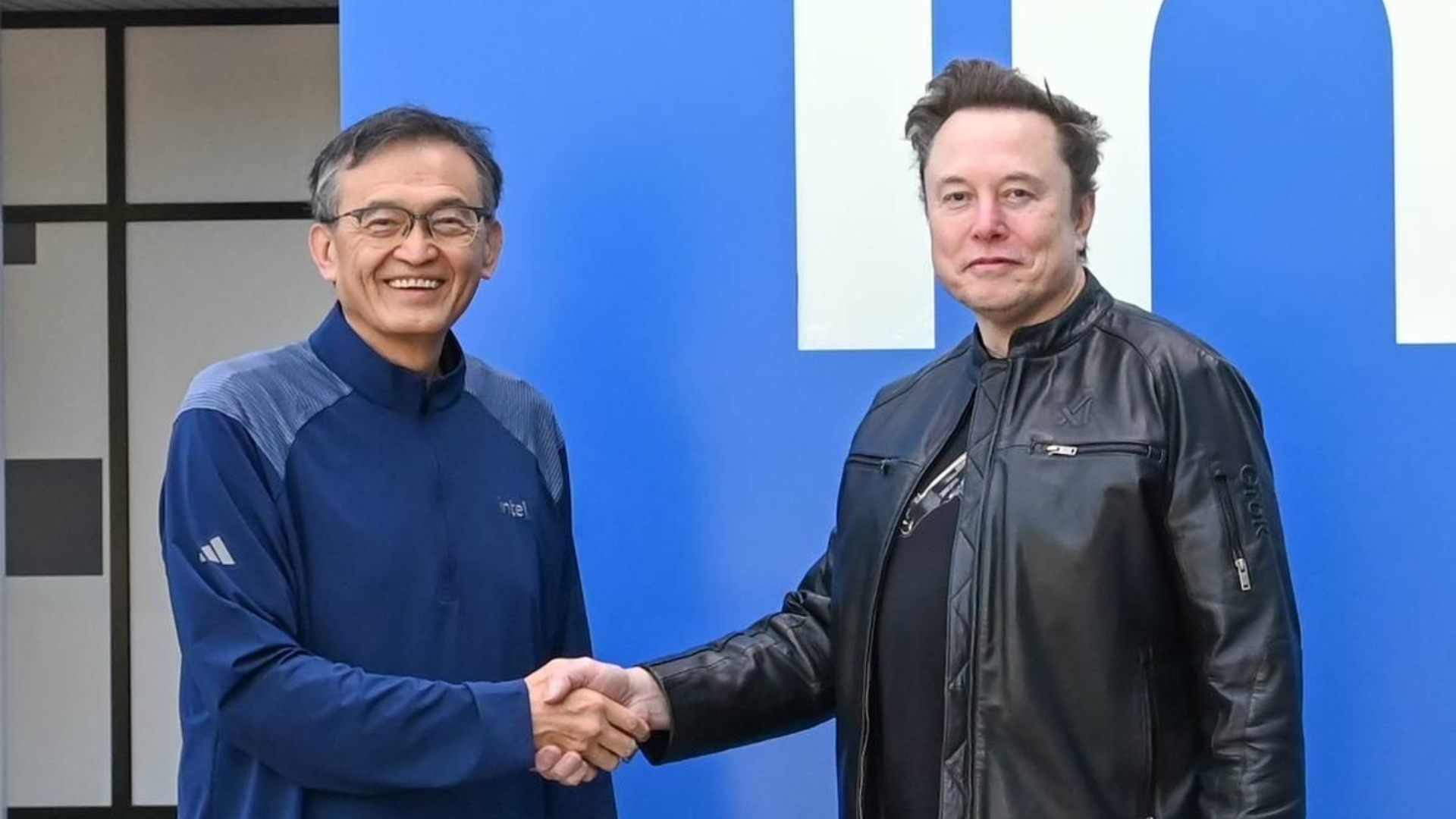

Intel has confirmed plans to join Tesla’s TeraFab project, marking a major step toward building large-scale chip manufacturing capacity in the United States, while the partnership aims to deliver up to 1 terawatt of compute output per year through advanced semiconductor production.
This move brings Intel’s 18A process technology directly into Tesla’s upcoming production lines, which helps Tesla move forward with its goal of producing advanced chips despite lacking its own semiconductor expertise, while also speeding up the setup of new manufacturing facilities.
Intel powers Tesla’s semiconductor ambitions
Tesla revealed its TeraFab vision as a way to scale chip production far beyond current industry levels, but the company needed a partner with proven manufacturing technology, and Intel fits that role by offering its foundry model and advanced node capabilities.
“Elon has a proven track record of reimagining entire industries. This is exactly what is needed in semiconductor manufacturing today. Terafab represents a step change in how silicon logic, memory and packaging will get built in the future. Intel is proud to be a partner and work closely with Elon on this highly strategic project.” — Intel CEO Lip-Bu Tan
This statement reflects how Intel sees TeraFab as a shift in how chips will get built, and the phrase “step change” signals a large jump in production scale and efficiency rather than gradual improvements.
Tesla had already shown interest in producing 2nm-class chips, and Intel’s 18A process gives it a practical path to reach that level, while also allowing Tesla to focus on infrastructure and scaling instead of developing chip technology from scratch.
Intel already runs 18A production at its Fab 52 facility in Arizona, which means the technology has moved beyond early testing and can now support large-scale manufacturing, and this helps Tesla set up its Austin facility faster by adapting Intel’s existing systems.
The partnership also supports a broader push to build a complete domestic semiconductor ecosystem, which reduces reliance on overseas foundries and strengthens local production capacity across logic, memory, and packaging.
There is still no clarity on how revenue sharing or branding will work for chips produced at TeraFab, but the agreement gives Tesla access to advanced manufacturing while allowing Intel to expand its foundry reach into new large-scale projects.
For now, this collaboration sets the foundation for Tesla’s long-term chip ambitions, while also positioning Intel at the center of one of the most ambitious manufacturing projects in the industry.