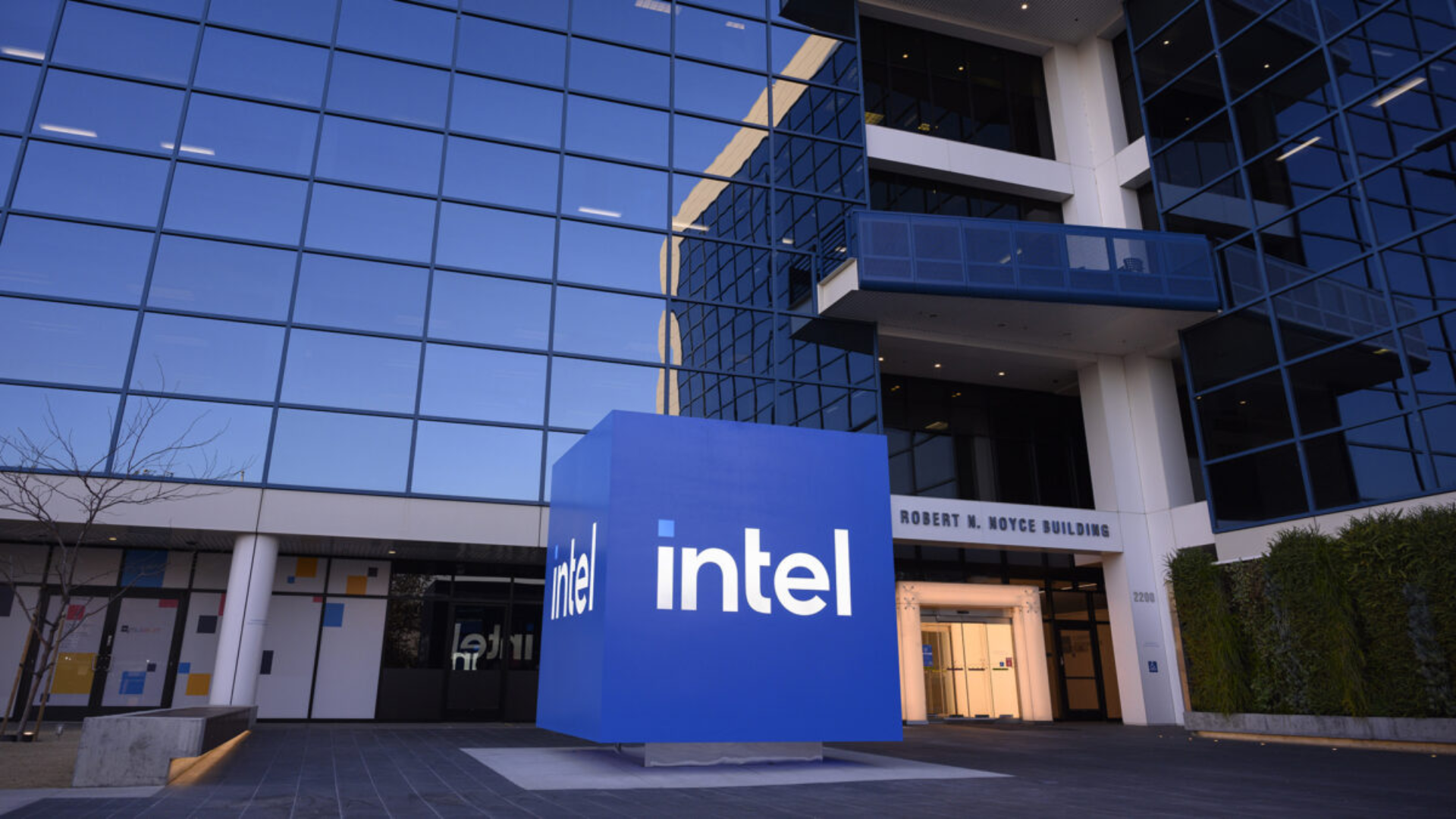

Intel is preparing significant price increases across its consumer CPU lineup in 2026, and early signs already show up in retail pricing where newer chips are selling above official rates, which suggests that supply pressure is building while demand continues to climb.
Reports indicate that Intel has already pushed through two rounds of price hikes this year, starting with a 10 to 15 percent increase in February followed by another 15 percent jump in mid March, which brings the total increase to around 20 percent compared to January levels, and the company is targeting a cumulative rise of up to 30 percent by the end of the year.
Intel is raising CPU prices
The main driver behind these increases is strong enterprise demand, especially from the AI sector where companies are investing heavily in infrastructure, and this has forced Intel to prioritize high volume server and AI workloads over consumer products, which directly affects availability for desktop and gaming CPUs.
At the same time, Intel relies on its own manufacturing nodes such as Intel 7 and Intel 3, and current capacity limits mean the company cannot fully meet demand across both enterprise and consumer segments, which creates a supply imbalance that leads to higher pricing.
Impact on gamers and PC buyers
Consumers are already seeing the effects as newer Arrow Lake Refresh CPUs launch at prices higher than expected, and these increases are not limited to new products since older lineups like Raptor Lake will also see pricing adjustments, which means the overall cost of building or upgrading a PC will rise this year.
AMD is facing similar demand conditions, but it has not raised prices yet because it depends on TSMC for manufacturing, which currently operates at higher capacity, although the company has acknowledged strong server CPU demand that could influence pricing decisions later.
As things stand, Intel’s focus on enterprise demand is reshaping its consumer strategy, and buyers should expect fewer deals and higher CPU prices throughout 2026.