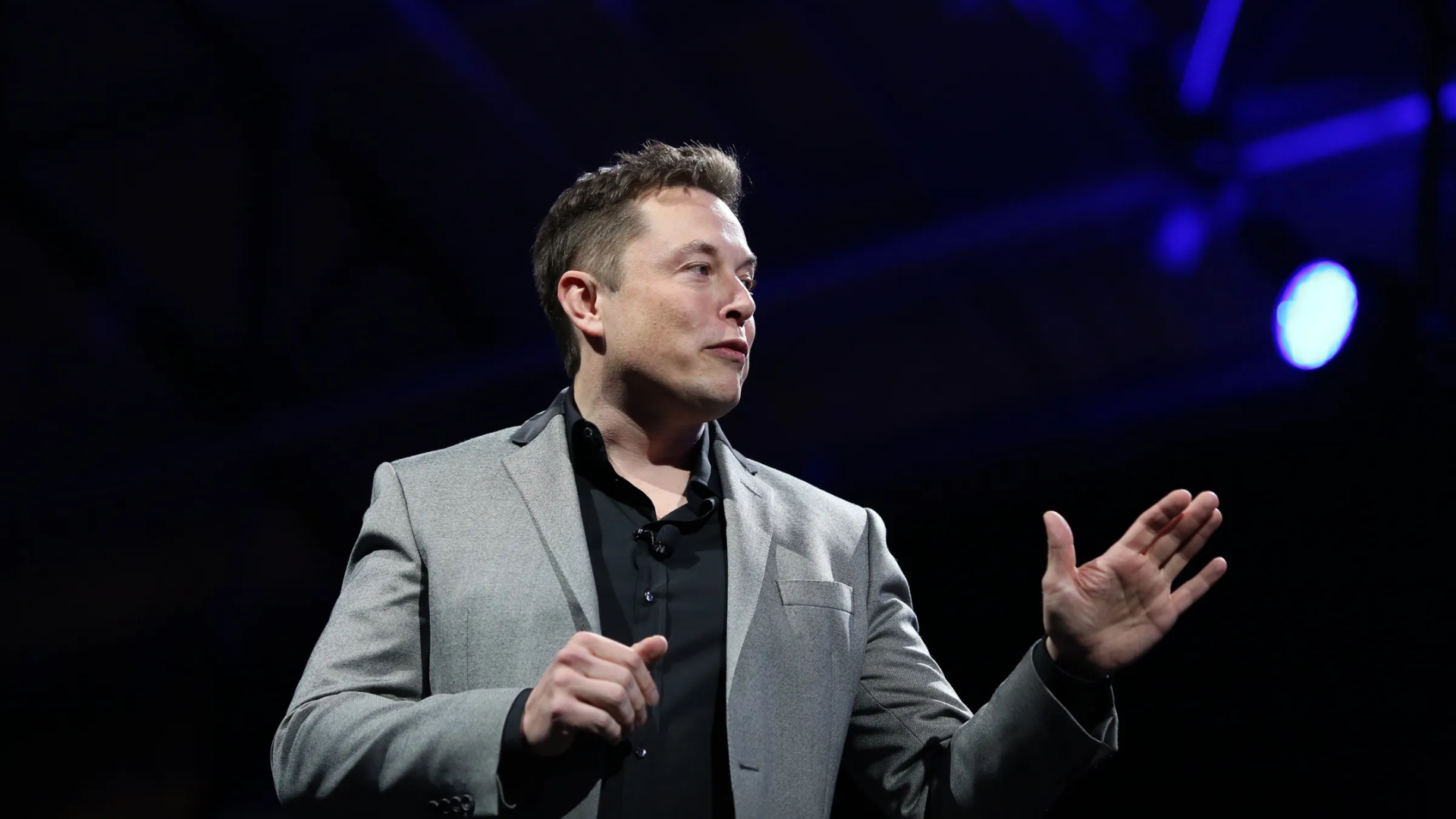

Elon Musk has announced plans to build a large chip manufacturing facility that will serve both Tesla and SpaceX, as he seeks to secure sufficient computing power for artificial intelligence, robotics, and space systems. He says current semiconductor supply cannot meet the growing demand from his companies, which is why he wants to bring chip production in-house.
Musk outlined that the project, called “Terafab,” will start with an advanced facility in Austin, Texas, located near Tesla’s headquarters and Gigafactory. The goal is to create a system capable of producing chips at scale, supporting both Earth-based AI workloads and future space computing needs.
According to Bloomberg, Musk shared these plans during an event in downtown Austin, where he explained the urgency behind building the facility and why relying on external suppliers is no longer enough.
Why Musk wants to build his own chips
Musk believes the semiconductor industry is moving too slowly to support his long-term ambitions, especially as Tesla expands into robotics and autonomous driving, while SpaceX develops space-based computing systems.
“We either build the Terafab or we don’t have the chips, and we need the chips, so we build the Terafab.”
He said the facility aims to produce chips that can support 100 to 200 gigawatts of computing power per year on Earth, along with a long-term target of one terawatt of computing power in space.
The planned facility will produce two types of chips, including edge and inference chips for vehicles, robotaxis, and humanoid robots, along with high-power chips designed for space applications used by SpaceX and xAI.
Musk also shared early ideas for a satellite system that could act as space-based data centers, including a small AI satellite capable of generating around 100 kilowatts of power, with future versions expected to scale much higher.
The project remains ambitious, and Musk has not shared a clear timeline, but if it moves forward, it could push Texas further into the global chip manufacturing space while reducing reliance on suppliers like TSMC and Samsung.