Skip to content
OnMSFT.com
  • Home
  • About
  • Contact
  • News
  • How-to
  • Feature stories
  • Deals
  • Microsoft / office 365
  • Reviews
Menu
  • Home
  • About
  • Contact
  • News
  • How-to
  • Feature stories
  • Deals
  • Microsoft / office 365
  • Reviews
  1. Home
  2. News
  3. Carnegie Mellon University uses Azure, machine learning, and Power BI to save money

Carnegie Mellon University uses Azure, machine learning, and Power BI to save money

Joseph Finney Joseph Finney
August 24, 2019
2 min read

Carnegie Mellon University uses Azure, machine learning, and Power BI to save money

Microsoft has a lot of technologies which have no consumer facing counterparts. Some of these technologies are Microsoft Azure, Azure Machine Learning, and Power BI. These technologies are rooted in big data and the cloud. Companies all over the world deal with massive volumes of data and need a way to make sense of it all. Most consumers never see these technologies implemented or how much they affect their daily lives.

One such example of Microsoft technologies being used to improve systems, is at Carnegie Mellon University (CMU). In a blog post, Microsoft went through how CMU used a variety of Microsoft technologies to save money by making their buildings more efficient. CMU gathered data from sensors in the heating ventilation and air conditioning (HVAC) and in the plumbing combined with weather data to predict the ambient temperature of their buildings. Once they have modeled how the temperature will change they can adjust the heating or cooling systems to achieve the perfect temperature.

This is a very complicated problem. The solution is not simply gathering more data. At some point a decision needs to be made on how to adjust the systems to control the temperature. This is where Microsoft comes in. First CMU gathered all of the relevant data concerning building temperature such as: outside temperature, sunlight, internal temperature, how long it took to affect the internal temperature, how heat moves about the building, etc. From there CMU used Microsoft Azure to predict the data they needed but didn’t have directly. For example the team didn’t have a record or table of how much sun hit the building, so they used Azure machine learning to predict it.

Then the CMU team built a model in Azure to target  a specific temperature for the start of the work day. Controlling the building’s systems this way could lead to a 20% reduction in energy costs. For a large institution, reduced energy costs means massive savings. The team at CMU mention that working with Microsoft Azure and the easy to use machine learning tools enabled them to get off the ground quickly. Creating models for predicting sunlight on buildings could be done in days instead of weeks or months. This enabled the team to test the models faster and reap the benefits sooner.

Further reading: Azure, Carnegie Mellon University, Machine Learning, Microsoft

Share this article:
Tags:
Azure Carnegie Mellon University Machine Learning Microsoft
Previous Article Salesforce announces Salesforce Connect, integrates with both OneDrive for Business and SharePoint Next Article Kaspersky believes Apple is ten years behind Microsoft when it comes to security

Related Articles

Chrome tests Google Drive file uploads in the AI Mode compose box

April 14, 2026
Gemini image creation using right click desktop Chrome

Chrome lets you remake images with Gemini on desktop using just a right-click

April 13, 2026
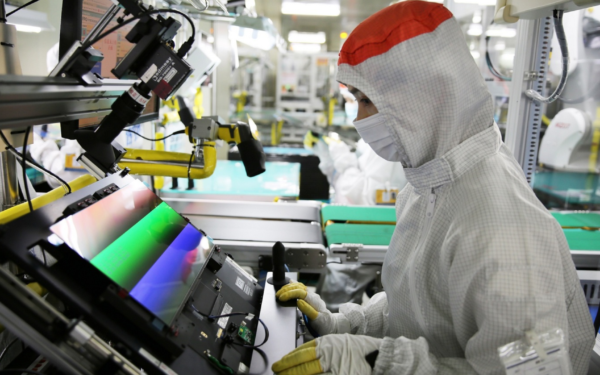
Samsung Display crosses 5 million QD-OLED monitor shipments as demand grows fast, with new panels and strong premium market expansion worldwide.

Samsung Display Ships 5 Million QD-OLED Monitor Panels in Four Years

April 9, 2026

Leave a Comment Cancel reply

Your email address will not be published. Required fields are marked *

Recent Posts

  • Chrome tests Google Drive file uploads in the AI Mode compose box
  • Chrome lets you remake images with Gemini on desktop using just a right-click
  • Samsung Display Ships 5 Million QD-OLED Monitor Panels in Four Years
  • Intel Arc Pro B70 Teardown Reveals Blower Cooler and Early Board Design Details
  • Users Modify RTX 5090 Lightning Z Hardware to Unlock MSI’s Restricted 2500W BIOS

Recent Comments

  1. XxRIVTYxX on Intel Says It Tried to Help Before Crimson Desert Dropped Arc Support
  2. Gaurav Kumar on Chrome Prepares Nudge to ‘Move Tabs to the Side’ as Vertical Tabs Near Release
OnMSFT.com

The Tech News Site

Categories

  • Windows
  • Surface
  • Xbox
  • How-To
  • OnPodcast
  • Gaming
  • Edge
  • Teams

Recent Posts

  • Chrome tests Google Drive file uploads in the AI Mode compose box
  • Chrome lets you remake images with Gemini on desktop using just a right-click
  • Samsung Display Ships 5 Million QD-OLED Monitor Panels in Four Years
  • Intel Arc Pro B70 Teardown Reveals Blower Cooler and Early Board Design Details
  • Users Modify RTX 5090 Lightning Z Hardware to Unlock MSI’s Restricted 2500W BIOS

Quick Links

  • About OnMSFT.com
  • Contact OnMSFT
  • Join Our Team
  • Privacy Policy
© 2010–2026 OnMSFT.com LLC. All rights reserved.
About OnMSFT.comContact OnMSFTPrivacy Policy