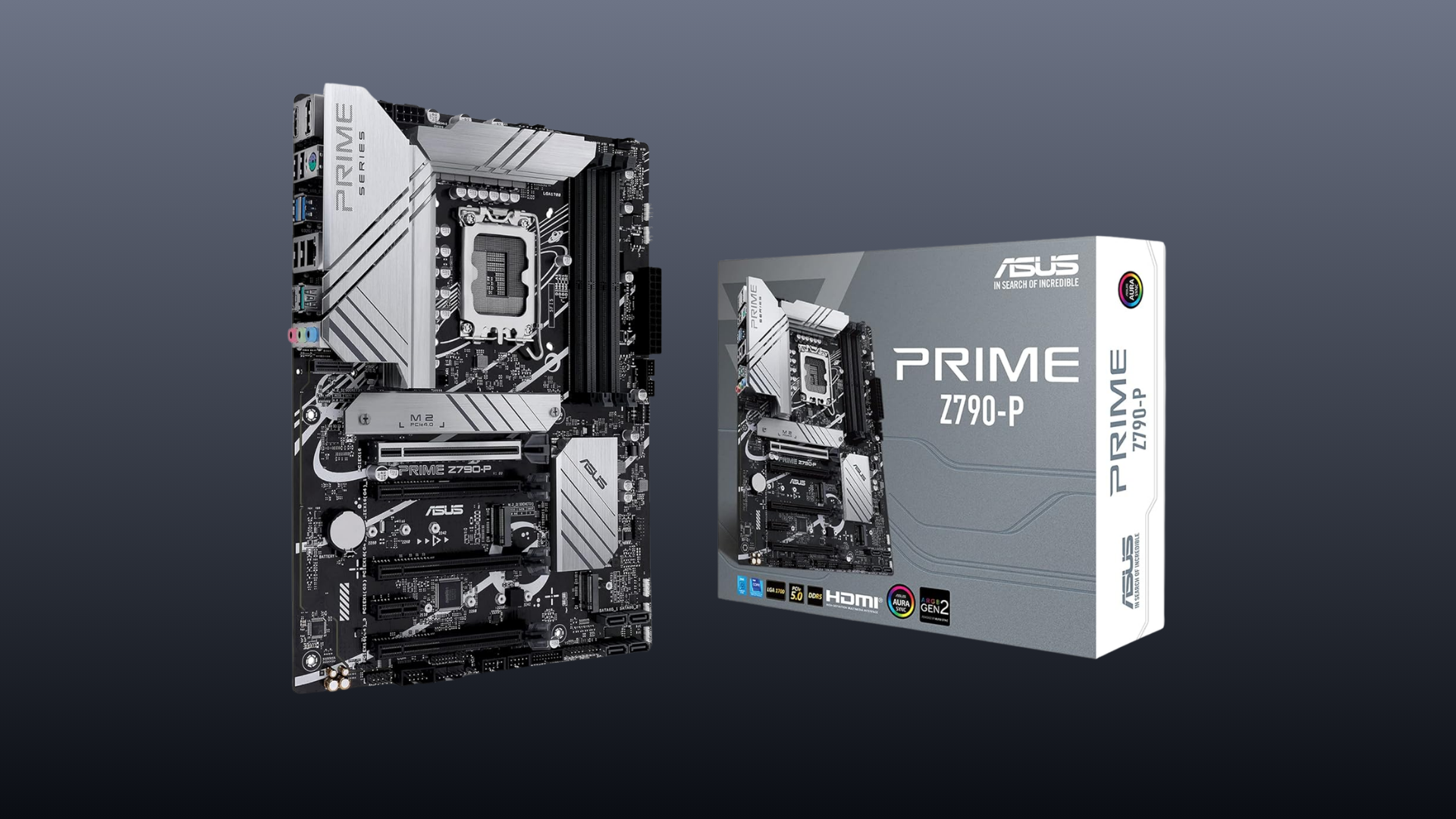

ASUS has confirmed it will not release new motherboards for Intel’s Core Ultra 200S Plus desktop refresh, as the company sees no need to build a new lineup when current 800-series boards already support the updated processors without any issues. This decision keeps the focus on platform stability and avoids pushing unnecessary upgrades for users who already own compatible hardware.
According to GGF Events, ASUS made it clear that the refresh does not require new boards, especially since the Core Ultra 200S Plus chips continue to use the same LGA-1851 socket and chipset family.
“Now I reached out to ASUS and I was like hey surely you must have some really fancy new boards coming out and they said no they have no boards coming out in or for this new refresh line of CPUs. Other brands are doing it but I thought hey why don’t I cover a board that is older or their current board that can support those CPUs cuz you don’t need a refresh motherboard. Other brands are doing it. uh they’re specifically aiming them for the new Intel refresh. You don’t need a specific board, but it’ll run fine on these.” — GGF Events
That statement reflects ASUS’ approach, where existing Z890 boards already handle the refresh without needing any redesign, while other brands use the opportunity to introduce updated products and marketing around the same platform.
Other brands push new Z890 boards
MSI and GIGABYTE have taken a different route by expanding their Z890 lineup alongside the refresh, with MSI introducing the MAG Z890 TOMAHAWK WIFI II and preparing more 800-series boards, while GIGABYTE rolled out a full Z890 Plus series including AORUS ELITE DUO X and other variants. These launches focus more on positioning than necessity, since the platform itself remains unchanged.
ASUS had already refreshed its Z890 lineup earlier in 2025 with models like the ROG Maximus Z890 Hero BTF and ROG Strix Z890-H Gaming WiFi, so the company already covered its high-end offerings before this CPU update arrived.
Platform nearing its end
The LGA-1851 platform is approaching its final phase, as Intel prepares to shift to the next-generation LGA-1954 socket with Nova Lake-S processors, which makes another round of motherboard launches less practical for vendors that already have a full stack in place.
At the same time, while the Core Ultra 200S Plus refresh brings official support for faster DDR5 memory, high prices on those kits reduce the real-world value of that upgrade, which means most users will not see a strong reason to move beyond their current setup.
ASUS now appears to focus on what comes next, as early details around Nova Lake suggest larger core counts and new design changes that will give motherboard makers more room to innovate on power delivery, memory performance, and overclocking features.