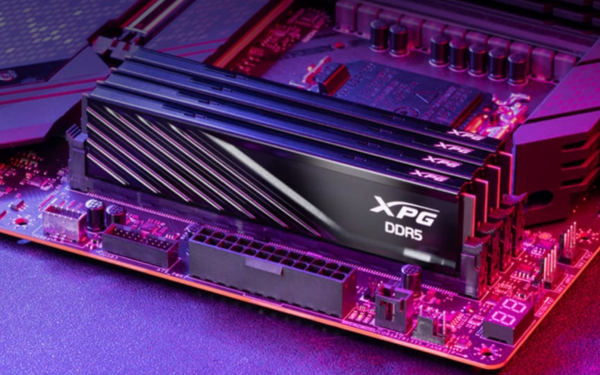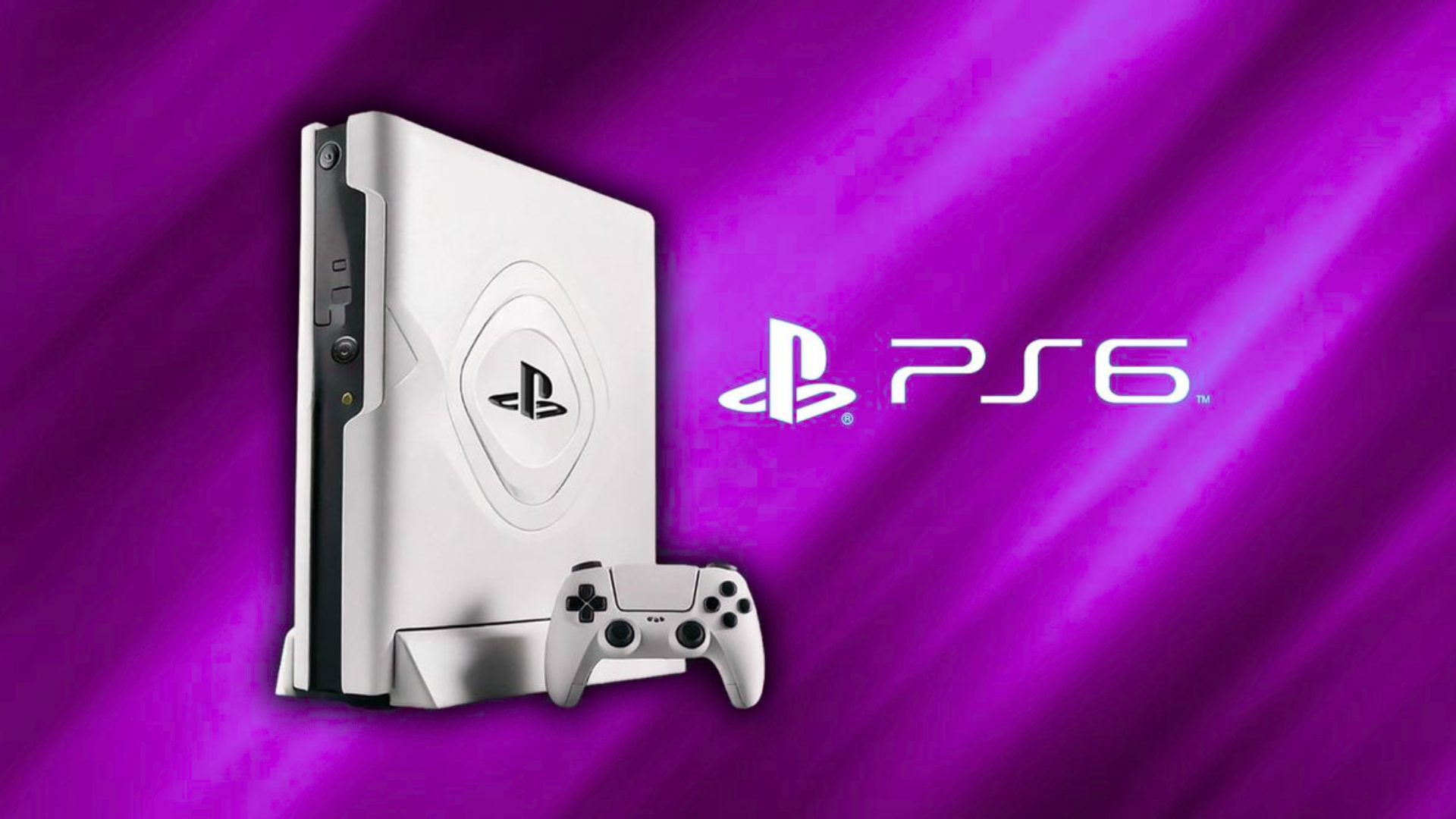

The PlayStation 6 has not been announced yet, but early signals already suggest that pricing could become a major concern as rising costs for RAM and SSDs continue to reshape the gaming hardware market, and that shift is forcing analysts to rethink what a “reasonable” console price looks like in the next cycle.
Wedbush analyst Michael Pachter believes the traditional pricing model for consoles is no longer sustainable, especially as manufacturers compete for high-demand components that now serve industries beyond gaming.
“The console manufacturers can afford to bid up the price of RAM… but the console price will stay the same [or go up] and everybody’s happy. I think that console prices are going to keep going up as long as demand for the components goes up for other reasons. So AI… I think that the solution to that is get rid of consoles and go to streaming games on TVs.”
That outlook makes one thing clear, and it is that a PlayStation 6 price around $1,000 is no longer unrealistic when companies like Sony secure premium components in a competitive supply market.
Rising costs are changing console expectations
As component prices increase, console makers face a choice between absorbing those costs or passing them on to buyers, and recent price hikes for current-generation systems show that companies are already leaning toward higher retail prices rather than maintaining older pricing expectations.
At the same time, the broader market is shifting, as Microsoft focuses more on services like Game Pass instead of hardware sales, which indicates that the traditional console cycle is already under pressure from new business models and changing player habits.
Streaming could reshape the future
Pachter has argued for years that each console generation will become smaller, and he believes rising prices will accelerate that trend as more players look for alternatives that do not require expensive hardware upfront.
He also points to game streaming as a possible solution, where players access high-end titles directly on TVs without needing a dedicated console, and that idea aligns with ongoing efforts across the industry to reduce dependence on physical hardware.
Predictions still come with uncertainty
Pachter’s track record shows that not all of his predictions land accurately, as past claims around GTA VI and Game Pass growth did not fully match reality, so his latest take on the PlayStation 6 price and the future of consoles should be viewed with caution.
Even so, his argument highlights a real concern, and that is rising costs are already changing how companies build and sell gaming systems, which means the next console generation could look very different from what players expect today.