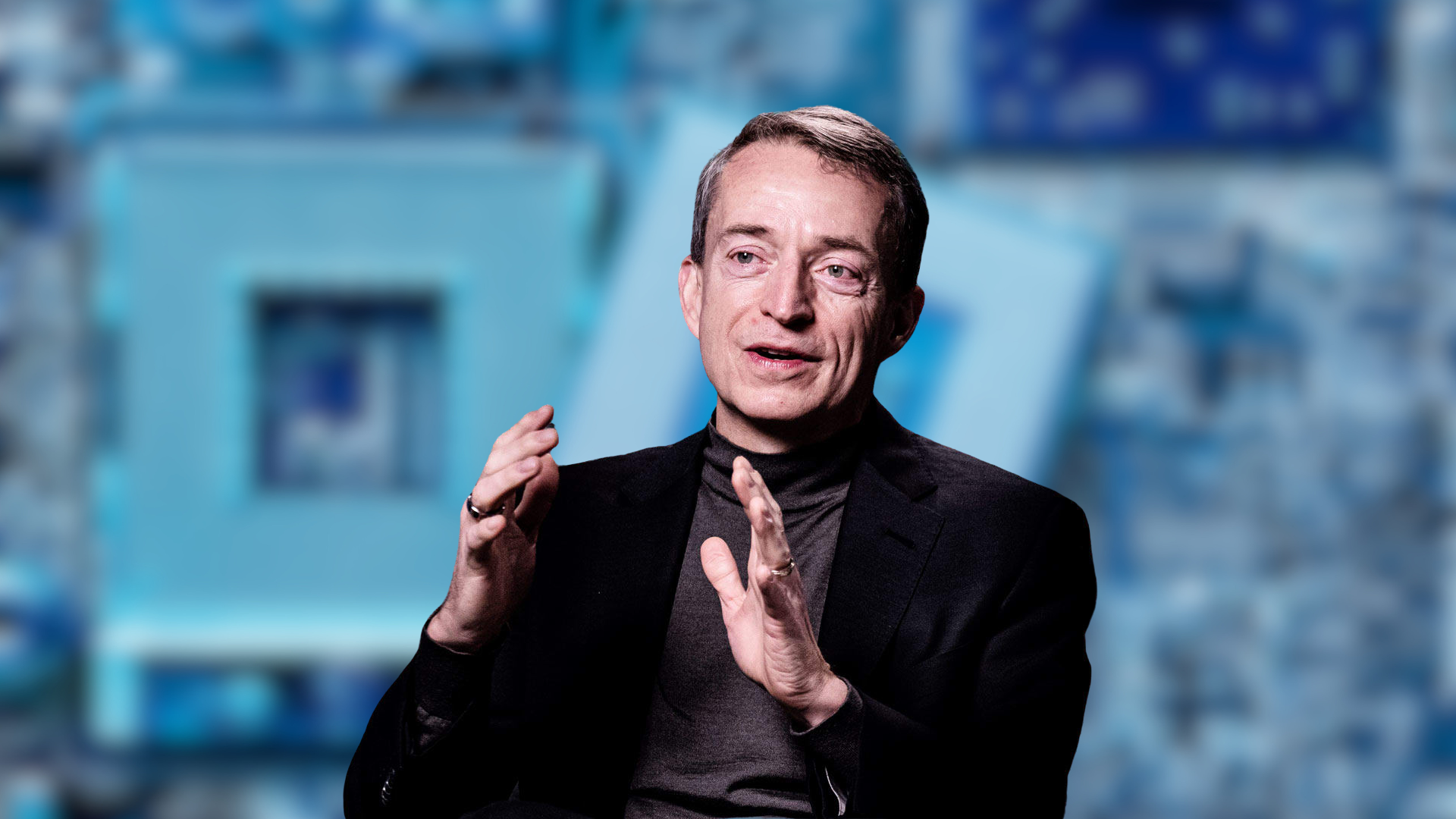

Intel’s former CEO Pat Gelsinger has openly blamed Wall Street’s short-term focus for slowing down America’s chip manufacturing ambitions, and he argues that no CEO can survive the pressure that comes with long-term industrial investments that take years to deliver results. He points to the harsh reaction from investors during his tenure as proof that the current system discourages the kind of capital-heavy decisions needed to rebuild domestic semiconductor leadership.
According to Jodi Shelton, Gelsinger made it clear that financial markets often prioritize quick returns over long-term strategy, which directly affects how companies like Intel plan their manufacturing roadmap.
“Our policy objectives were undermined by high margin short-termism in Wall Street. We are not creating incentives for long-term capital heavy industry investments, and these kinds of investments simply do not happen here under that pressure.”
He connects this pressure to a deeper structural issue, where leadership teams hesitate to commit to decade-long projects because the immediate backlash from shareholders can threaten their position.
“No good CEO can say they will build a factory that does not generate returns for a decade and still expect to survive, even if it is the right decision for the future.”
Wall Street pressure shaped Intel’s strategy
Gelsinger’s comments come after a turbulent period at Intel, where the company’s stock dropped sharply and financial losses grew, while he pushed forward with his IDM 2.0 strategy that focused on rebuilding Intel’s foundry capabilities. He reduced dividends and redirected capital toward manufacturing, but the market responded negatively, which strengthened his argument that investors were not factoring in long-term benefits.
He also criticized earlier leadership decisions, saying Intel spent years prioritizing shareholder returns through buybacks and dividends instead of investing in fabrication capacity, which left the company trailing competitors in process technology.
“They had taken all of their capital and given it back to shareholders, and during that time they fell from a two to three-year lead into a two to three-year lag in process technology.”
Long-term manufacturing still defines the future
Gelsinger still believes his engineering-focused approach has started to show results, especially with newer nodes like 18A, which he sees as validation that long-term planning works when companies stay committed despite market pressure. He also noted that current CEO Lip-Bu Tan continues to follow the same roadmap, even as Intel focuses on cost discipline to rebuild investor confidence.
At the same time, Intel faces practical limits, including capacity constraints and the need for confirmed customer demand before expanding production further, which shows how financial caution still shapes execution. The broader takeaway remains clear, as Gelsinger’s remarks highlight that rebuilding semiconductor leadership requires patience, sustained investment, and a shift away from short-term expectations that continue to dominate Wall Street thinking.