Skip to content
OnMSFT.com
  • Home
  • About
  • Contact
  • News
  • How-to
  • Feature stories
  • Deals
  • Microsoft / office 365
  • Reviews
Menu
  • Home
  • About
  • Contact
  • News
  • How-to
  • Feature stories
  • Deals
  • Microsoft / office 365
  • Reviews
  1. Home
  2. News
  3. Build Windows 10 apps that know users’ motions with new contextual sensing APIs

Build Windows 10 apps that know users’ motions with new contextual sensing APIs

Kellogg Brengel Kellogg Brengel
August 21, 2019
2 min read

Windows 10 APIs

The Windows Apps Team has released a new set of APIs for developers to add contextual sensing to their Windows 10 apps.

These APIs utilize information from various sensors in your devices (sensors like a pedometer or a barometer) to add context based functionality to Windows 10 apps. This is similar to health apps on Windows Phone, like Microsoft Health or Runtastic, that use sensors to track activities levels and step counts. However, it can go beyond just a health and fitness tracking and apply to a wider range of activities.

New Activity Detection APIs allow apps to know the user’s motion context, such as if someone is walking, running, in a vehicle, biking, stationary, or the device is idle and unused. Some of the examples that the Windows Apps Team provides for how to use these APIs are apps that change their behavior based upon the user’s motion context, such as for power saving when the device is idle or auto adjusting camera focus when the user is walking or running.

Build Windows 10 apps that know users' motions with new contextual sensing APIs

The new Barometer API returns information to the app on the user’s elevation based on barometric pressure. This could enable indoor navigation, such as known what floor of the parking garage you parked your car on, weather forecasting, or more detailed health and fitness tracking.

The Windows Apps Team also introduced a Proximity API that can enable a device to wake up or log off based upon the user’s proximity, turn off the display during a phone call, ignore pocket clicks made then the device is in the user’s pocket, and detect gestures.

With these new APIs developers can create apps that are more aware of the user and are more informed by, and useful because of, the context of the user’s activity. This all at the end of the day depends on what sensors and hardware is installed on a device. But as new devices come out, and with the release this week of Windows 10 IoT, these new contextual sensing APIs have the potential to enable smarter apps that are more useful as we go through our daily lives.

Further reading: Microsoft, Windows 10, Windows Apps Team

Share this article:
Tags:
Microsoft Windows 10 Windows Apps Team
Previous Article Microsoft talks about its personal cloud storage plans with SkyDrive Next Article Nokia Lumia 930 up for pre-order on ePrice Italy

Related Articles

Samsung Display crosses 5 million QD-OLED monitor shipments as demand grows fast, with new panels and strong premium market expansion worldwide.

Samsung Display Ships 5 Million QD-OLED Monitor Panels in Four Years

April 9, 2026
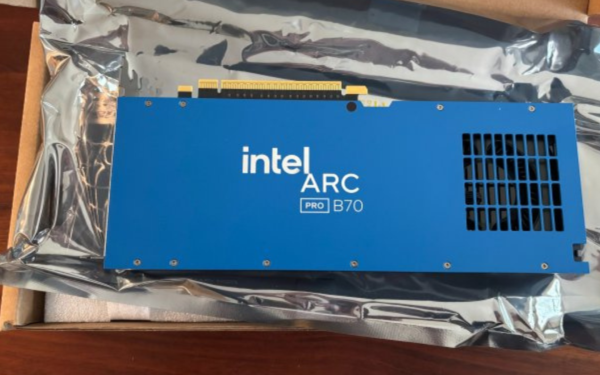
Intel Arc Pro B70 teardown reveals blower cooler design, PCB layout, firmware details, and early insights into Battlemage workstation GPU hardware.

Intel Arc Pro B70 Teardown Reveals Blower Cooler and Early Board Design Details

April 9, 2026
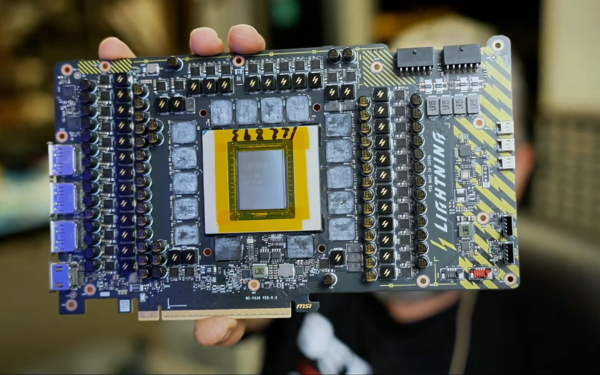
Users Modify RTX 5090 Lightning Z Hardware to Unlock MSI’s Restricted 2500W BIOS

Users Modify RTX 5090 Lightning Z Hardware to Unlock MSI’s Restricted 2500W BIOS

April 9, 2026

Leave a Comment Cancel reply

Your email address will not be published. Required fields are marked *

Recent Posts

  • Samsung Display Ships 5 Million QD-OLED Monitor Panels in Four Years
  • Intel Arc Pro B70 Teardown Reveals Blower Cooler and Early Board Design Details
  • Users Modify RTX 5090 Lightning Z Hardware to Unlock MSI’s Restricted 2500W BIOS
  • Intel Arc GPUs Finally Run Crimson Desert After Driver Update, But Issues Remain
  • NVIDIA N1 SoC Leak Shows First AI Laptop Motherboard With 128GB RAM

Recent Comments

  1. XxRIVTYxX on Intel Says It Tried to Help Before Crimson Desert Dropped Arc Support
  2. Gaurav Kumar on Chrome Prepares Nudge to ‘Move Tabs to the Side’ as Vertical Tabs Near Release
OnMSFT.com

The Tech News Site

Categories

  • Windows
  • Surface
  • Xbox
  • How-To
  • OnPodcast
  • Gaming
  • Edge
  • Teams

Recent Posts

  • Samsung Display Ships 5 Million QD-OLED Monitor Panels in Four Years
  • Intel Arc Pro B70 Teardown Reveals Blower Cooler and Early Board Design Details
  • Users Modify RTX 5090 Lightning Z Hardware to Unlock MSI’s Restricted 2500W BIOS
  • Intel Arc GPUs Finally Run Crimson Desert After Driver Update, But Issues Remain
  • NVIDIA N1 SoC Leak Shows First AI Laptop Motherboard With 128GB RAM

Quick Links

  • About OnMSFT.com
  • Contact OnMSFT
  • Join Our Team
  • Privacy Policy
© 2010–2026 OnMSFT.com LLC. All rights reserved.
About OnMSFT.comContact OnMSFTPrivacy Policy