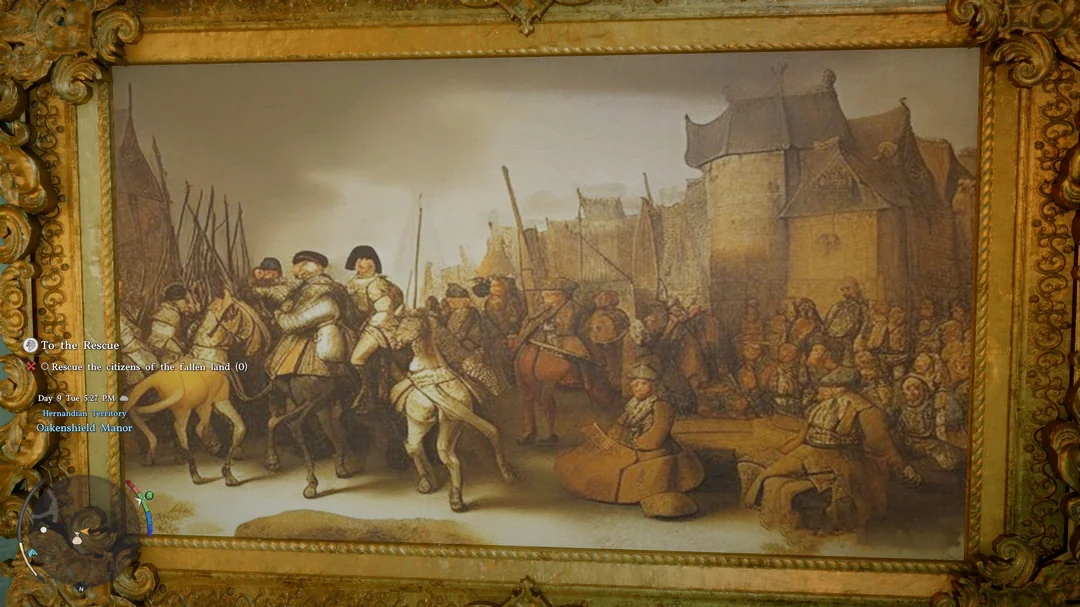

The developer behind Crimson Desert has issued an official apology after players found AI-generated art inside the game, and the studio now says it will replace all affected assets in upcoming updates. Pearl Abyss admitted that some visual elements slipped into the final release even though the team never intended to ship them.
Players quickly noticed unusual textures and design inconsistencies soon after launch, and discussions spread across social media as more examples surfaced, which pushed the developer to respond publicly and clarify what went wrong during development.
According to a statement shared by Pearl Abyss on X, the studio confirmed that it had used “experimental AI generative tools” during early production, but those assets were supposed to be temporary and removed before release.
What went wrong during development
Pearl Abyss explained that the team used AI tools to quickly test ideas and build early versions of 2D visual props, which helped shape the game’s tone and atmosphere during development, but those assets remained in the final build due to an internal oversight.
“Following reports from our community, we have identified that some of these assets were unintentionally included in the final release. This is not in line with our internal standards, and we take full responsibility for it.”
The studio also admitted it failed to clearly disclose its use of AI, even though it expected those elements to be replaced later, and said this lack of transparency does not meet its own standards.
Pearl Abyss says it has already started a full audit of all in-game assets, and the team will replace any AI-generated content through future patches, while also improving how it communicates with players to avoid similar issues.
The company has now added a disclosure on the game’s Steam page stating that generative AI was used in a limited and supplementary role during development.
This situation adds to a growing pattern in the gaming industry, where studios face backlash for undisclosed AI use, and developers now face more pressure to stay transparent and maintain creative standards.