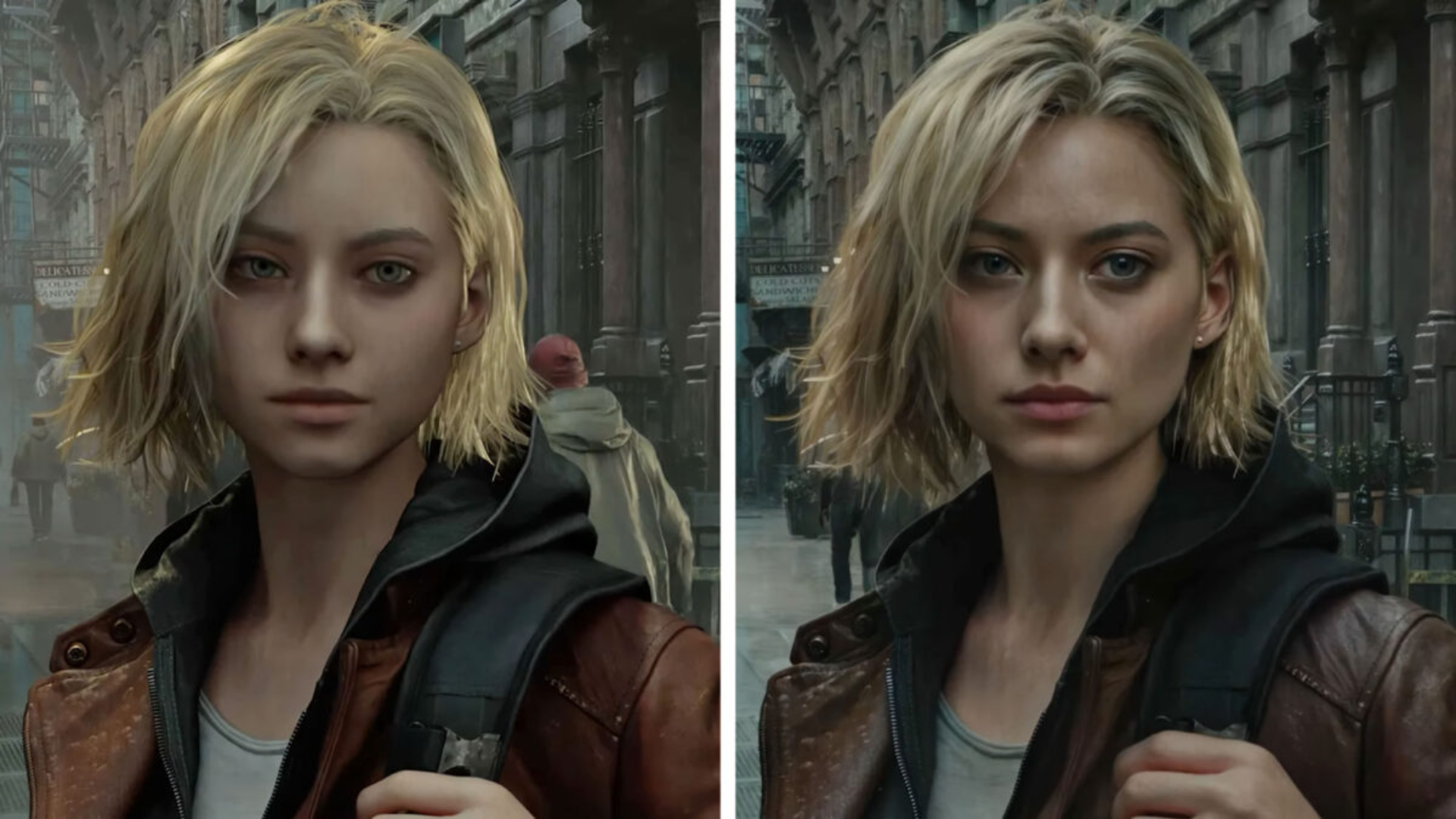
NVIDIA has shared new details about how DLSS 5 works, and the explanation changes how many people understood the technology. The company confirmed that DLSS 5 builds its output using a rendered 2D frame along with motion vectors, instead of pulling full 3D data directly from the game engine. This matters because earlier descriptions suggested a deeper connection with scene geometry and materials.
The clarification shows that DLSS 5 relies heavily on AI interpretation rather than direct access to engine-level data. The model studies a single frame and predicts how the final image should look, including lighting, textures, and fine details like skin or fabric. That approach helps improve visuals, but it also raises questions about accuracy and artistic control.
According to NVIDIA’s Jacob Freeman, who responded to YouTuber Daniel Owen’s questions, the system does not read geometry, depth, or material properties from the engine.
“Yes, DLSS 5 takes a 2D frame plus motion vectors as input.”
How DLSS 5 Actually Works
DLSS 5 does not access detailed data such as 3D geometry, normal maps, or roughness values. Instead, it looks at the final rendered frame and builds its understanding from there. NVIDIA says the model learns scene elements like hair, lighting, and skin by analyzing that single frame.
“DLSS 5 only takes the rendered frame and motion vectors as inputs. Materials are inferred from the rendered frame.”
This means the system guesses material properties rather than reading them directly. While that still improves image quality, it also explains why some early previews showed unexpected visual changes.
Why Some Visuals Look Different
Some preview images raised concerns because the output did not always match the original scene. In one example, a character appeared to have extra hair detail that was not visible before. In another case, facial features looked slightly altered, which made people question whether DLSS 5 changes how characters look instead of only improving lighting.
NVIDIA addressed this by stating that the base geometry inside the engine remains unchanged.
“The underlying geometry is unchanged. Also worth mentioning this is a very early preview of the tech.”
Even so, the final image that players see can still look different because the AI reconstructs details based on its own interpretation.
Limited Developer Control
Developers still have some control over how DLSS 5 behaves, but the options remain broad rather than precise. They can adjust visual settings like intensity, contrast, saturation, and color grading. They can also apply masks to prevent certain areas from being enhanced.
However, developers cannot directly correct specific AI-generated details such as facial changes or added effects. If the model adds something unwanted, the only options are to reduce the effect or disable it in that area.
NVIDIA says it continues to work with developers to improve control options, but current tools focus on general adjustments rather than detailed corrections.
DLSS 5 clearly pushes visual quality forward by using AI to enhance scenes in real time. At the same time, it depends on inference rather than direct data from the game engine, which leads to differences between the original render and the final output.
This approach gives NVIDIA more flexibility in improving performance and visuals, but it also introduces challenges around consistency and artistic intent. Developers will need to balance these benefits with the level of control they want over how their games look.