
China’s fast-growing interest in autonomous AI agents has pushed OpenClaw into the spotlight, while Tencent’s latest move to support the project signals how serious the competition has become, as users across the country rush to adopt tools that can automate everyday tasks and run continuously on personal systems.
According to a report by the South China Morning Post, demand for AI-ready hardware has surged alongside OpenClaw’s popularity, with devices like Apple’s Mac mini selling out in key markets as users look for reliable machines to host these always-on AI agents.
Tencent backs OpenClaw amid growing pressure
Tencent has now stepped in as an official sponsor of OpenClaw, joining names like OpenAI and Baidu on the project’s GitHub page, shortly after creator Peter Steinberger raised concerns about companies copying features without offering support.
The company said its teams had contributed code and promised to “become a better sponsor,” while also expanding its own ecosystem with tools like WorkBuddy and QClaw that connect directly with platforms such as WeChat.
At the same time, Tencent has pushed adoption by offering free OpenClaw setup across multiple cities, drawing large crowds and showing how strong user interest has become.
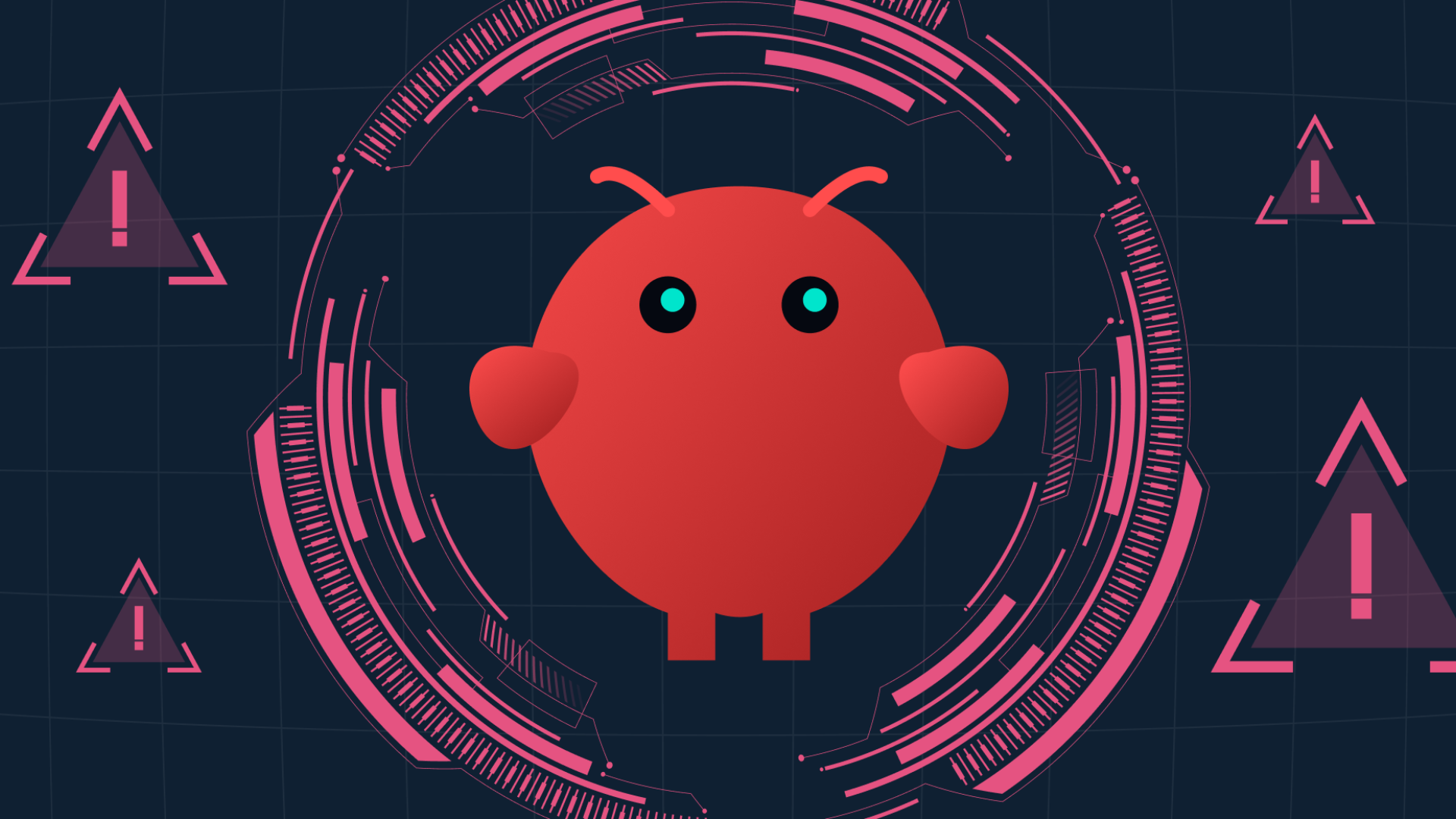
What started as a developer-focused tool has quickly reached everyday users, with many calling the process of running the agent “raising a lobster,” a phrase that reflects how people treat these systems as always-on digital assistants.
Cloud platforms from Baidu, Alibaba, and ByteDance now offer simplified setup services, while startups like MiniMax and Moonshot AI have launched their own versions that combine OpenClaw features with advanced models.
The surge in adoption has already affected hardware demand, with compact systems gaining popularity due to their ability to run AI agents around the clock.
At the same time, experts warn that these tools require deep system access, raising concerns about data privacy and misuse, especially as more users give AI agents control over files, apps, and daily workflows.