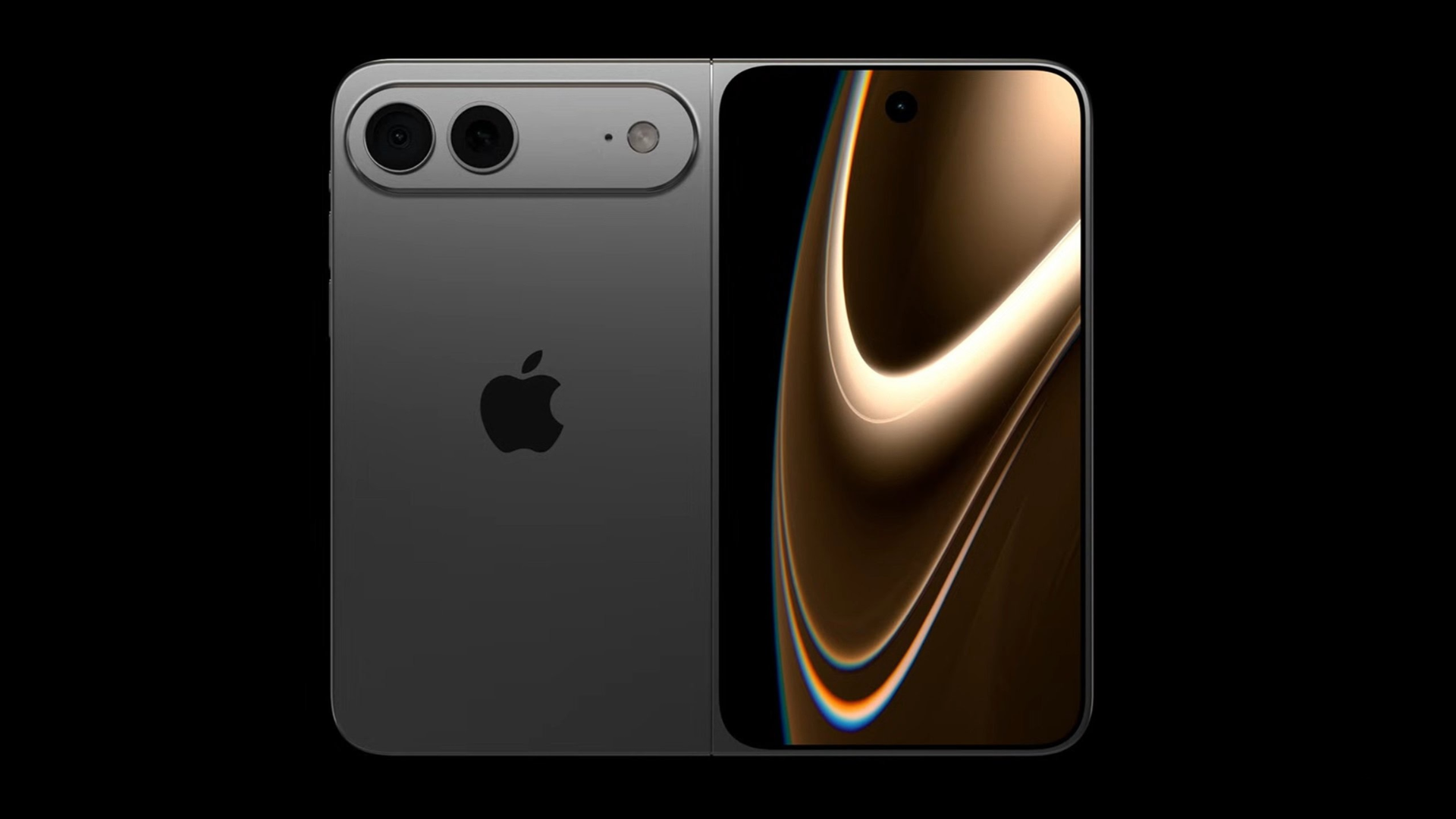

Apple’s long-rumored foldable iPhone moved back into the spotlight this week as several new reports revealed more details about the device’s design, cameras, software behavior, and hardware specifications. The device, widely referred to as the iPhone Fold, is expected to arrive alongside Apple’s next iPhone lineup in September, and the latest information helps clarify how Apple plans to approach the foldable category.
Several leaks over the past few days also paint a clearer picture of what users should expect from the first foldable iPhone, including how the display will handle the crease issue, how Apple plans to place cameras on both screens, and how the software will behave when the device is opened.
Bloomberg’s Mark Gurman shared several of the latest details in his reporting this week, while supply chain sources and well-known leakers added information about memory, storage options, and component pricing.
Display crease remains but is reduced
One of the biggest questions around any foldable phone involves the display crease that appears where the screen folds. Early rumors suggested Apple had completely solved the issue with a new Samsung supplied display panel described as virtually crease free.
The latest information paints a more realistic picture. Reports say the new panel significantly reduces the crease but does not remove it entirely. The improvement should make the fold less noticeable during normal use, but the crease will still exist under certain lighting conditions or viewing angles.
Hole-punch cameras on both displays
Leaks also confirm that Apple plans to place hole-punch cameras on both displays. The 5.5-inch outer screen will include a small punch hole for the front camera instead of the pill shaped cutout used on recent iPhones.
The interface around the camera area will still support Dynamic Island features for alerts and Live Activities, which means users will see familiar system animations and notifications near the camera cutout.
The inner 7.8-inch display will also use a hole-punch camera. Apple originally explored under display camera technology to create a completely uninterrupted screen, but reports say the image quality did not meet Apple’s standards, so the company chose a traditional camera cutout instead.
iOS with an iPad-style layout
When users open the device, the larger display will present an interface that resembles the layout seen on the iPad. Apps can run side by side, and many applications will include sidebars along the left edge of the display to improve navigation on the larger screen.
Despite the tablet-like layout, the foldable device will run iOS rather than iPadOS. That means it will support a limited form of multitasking instead of the full multitasking tools available on the iPad lineup.
Developers will also receive tools that allow them to adjust existing iPhone apps so they work properly on the expanded foldable display.
RAM and storage details
Supply chain reports also suggest Apple will equip the iPhone Fold with 12GB of RAM, matching the memory expected in other high end iPhones launching around the same time.
Samsung will reportedly supply the DRAM modules and begin shipments during the second quarter of the year as Apple prepares production for the new device.
Storage options will likely include 256GB, 512GB, and 1TB configurations. A top tier model with 1TB storage could approach a price close to $3,000, which places the device among the most expensive consumer smartphones Apple has ever released.
A foldable iPhone taking shape
Taken together, the latest rumors show Apple focusing on refinement rather than radical design changes. The company appears to prioritize display durability, familiar interface behavior, and strong hardware specifications while still adapting iOS to work smoothly on a foldable screen.
If current reports prove accurate, the iPhone Fold will arrive later this year with a design that blends traditional iPhone features with tablet style functionality once the device unfolds.