Skip to content
OnMSFT.com
  • Home
  • About
  • Contact
  • News
  • How-to
  • Feature stories
  • Deals
  • Microsoft / office 365
  • Reviews
Menu
  • Home
  • About
  • Contact
  • News
  • How-to
  • Feature stories
  • Deals
  • Microsoft / office 365
  • Reviews
  1. Home
  2. News
  3. Microsoft, BBC to provide Micro:bit computing devices to UK school kids

Microsoft, BBC to provide Micro:bit computing devices to UK school kids

Kellogg Brengel Kellogg Brengel
September 15, 2019
2 min read

Microsoft, BBC to provide Micro:bit computing devices to UK school kids

Microsoft, the BBC and others are teaming up to encourage computer science education in and outside the classroom by providing every Year 7 (ages 11-12) student in the United Kingdom with their very own BBC micro:bit for free. In total the BBC and its partners are expecting to give away up to 1 million devices.

The BBC micro:bit was developed in partnership by a number of companies, including ARM, Farnell, Microsoft and Samsung. The BBC micro:bit partners are hoping that the smaller than a credit card device will help inspire the next generation of programmers and introduce children to coding at an earlier age.

The device works by plugging it in to a computer via USB, and is programmed through a new browser coding and content platform called Microsoft TouchDevelop. This platform was specifically created to help children build programs for touch screen devices, from smartphones to large desktop operating systems.

On today’s announcement, Microsoft says:

“The Microsoft TouchDevelop platform has been designed so that as students get more advanced, they can create even more sophisticated programmes and build libraries of code that they can re-use and share with other users. Eventually, they can progress to use the computer language C++, which professional computer scientists use. This ability to transition to a more sophisticated programming language is a key differentiator for Microsoft TouchDevelop. And it’s also a crucial element for helping not just create computer enthusiasts, but future computer scientists.”

The project hopes to ready more computer-literate individuals to fill skill gaps in the UK. Stephen Hodges, principal researcher at Microsoft Cambridge and early fan of the BBC Micro in the 1980s, says in today’s post that “we’ve all become very good consumers of technology. It’s not sustainable. We need to have producers of technology.”

Jeanette Wing, corporate vice president of Microsoft’s core research labs, also says that this project will not just help encourage the next generation of programmers, but provide students with a more scientific experience of attacking problems, regardless of whatever career path they end up taking. Wing adds that with the micro:bit, “students can experience a tangible way of working with computational thinking.”

You can learn more about the project on Microsoft’s News Centre UK.
Further reading: BBC, BBC Micro, Microsoft

Share this article:
Tags:
BBC BBC Micro Microsoft
Previous Article Tulalip Tribes to Microsoft: Stop Using Our Name Next Article News Highlights – January 2011

Related Articles

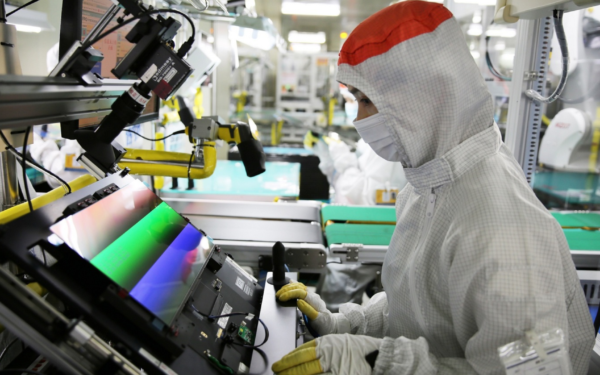
Samsung Display crosses 5 million QD-OLED monitor shipments as demand grows fast, with new panels and strong premium market expansion worldwide.

Samsung Display Ships 5 Million QD-OLED Monitor Panels in Four Years

April 9, 2026
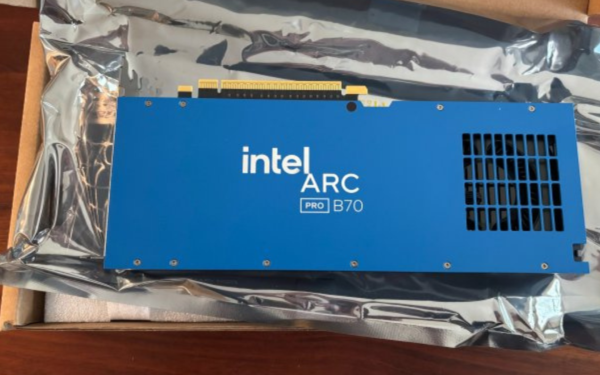
Intel Arc Pro B70 teardown reveals blower cooler design, PCB layout, firmware details, and early insights into Battlemage workstation GPU hardware.

Intel Arc Pro B70 Teardown Reveals Blower Cooler and Early Board Design Details

April 9, 2026
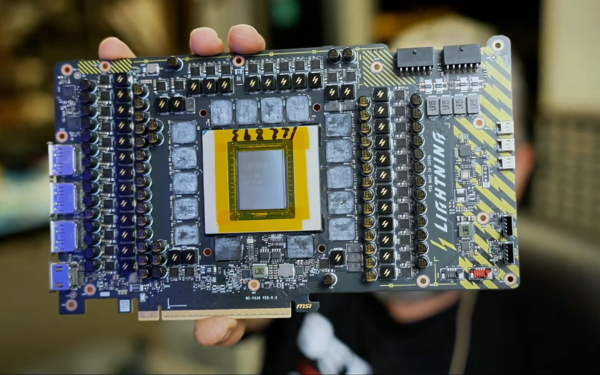
Users Modify RTX 5090 Lightning Z Hardware to Unlock MSI’s Restricted 2500W BIOS

Users Modify RTX 5090 Lightning Z Hardware to Unlock MSI’s Restricted 2500W BIOS

April 9, 2026

Leave a Comment Cancel reply

Your email address will not be published. Required fields are marked *

Recent Posts

  • Samsung Display Ships 5 Million QD-OLED Monitor Panels in Four Years
  • Intel Arc Pro B70 Teardown Reveals Blower Cooler and Early Board Design Details
  • Users Modify RTX 5090 Lightning Z Hardware to Unlock MSI’s Restricted 2500W BIOS
  • Intel Arc GPUs Finally Run Crimson Desert After Driver Update, But Issues Remain
  • NVIDIA N1 SoC Leak Shows First AI Laptop Motherboard With 128GB RAM

Recent Comments

  1. XxRIVTYxX on Intel Says It Tried to Help Before Crimson Desert Dropped Arc Support
  2. Gaurav Kumar on Chrome Prepares Nudge to ‘Move Tabs to the Side’ as Vertical Tabs Near Release
OnMSFT.com

The Tech News Site

Categories

  • Windows
  • Surface
  • Xbox
  • How-To
  • OnPodcast
  • Gaming
  • Edge
  • Teams

Recent Posts

  • Samsung Display Ships 5 Million QD-OLED Monitor Panels in Four Years
  • Intel Arc Pro B70 Teardown Reveals Blower Cooler and Early Board Design Details
  • Users Modify RTX 5090 Lightning Z Hardware to Unlock MSI’s Restricted 2500W BIOS
  • Intel Arc GPUs Finally Run Crimson Desert After Driver Update, But Issues Remain
  • NVIDIA N1 SoC Leak Shows First AI Laptop Motherboard With 128GB RAM

Quick Links

  • About OnMSFT.com
  • Contact OnMSFT
  • Join Our Team
  • Privacy Policy
© 2010–2026 OnMSFT.com LLC. All rights reserved.
About OnMSFT.comContact OnMSFTPrivacy Policy