Skip to content
OnMSFT.com
  • Home
  • About
  • Contact
  • Windows
  • Surface
  • Xbox
  • How-To
  • OnPodcast
  • Edge
  • Teams
  • Gaming
Menu
  • Home
  • About
  • Contact
  • Windows
  • Surface
  • Xbox
  • How-To
  • OnPodcast
  • Edge
  • Teams
  • Gaming
  1. Home
  2. News
  3. Kinect for Windows 2.0 hardware design revealed, available by summer of this year

Kinect for Windows 2.0 hardware design revealed, available by summer of this year

Ron Ron
September 19, 2019
1 min read

Kinect for Windows 2.0 hardware design revealed, available by summer of this year

Microsoft is getting close to releasing the second version of the company’s Kinect for Windows hardware. In an official blog post, Microsoft is showing off the hardware design. “The sensor closely resembles the Kinect for Xbox One, except that it says “Kinect” on the top panel, and the Xbox Nexus – the stylized green “x” – has been changed to a simple, more understated power indicator,” Microsoft stated in an official blog post.

The sensor requires the hub and the power supply, which accepts three connections: the sensor, USB 3.0 output to PC, and power. The power supply itself supports voltages from 100 – 240 volts.

Developers were able to get their hands on an alpha version of the hardware last summer, as well as early access to the SDK. Developers are expected to get a final version of the Kinect for Windows 2.0 hardware for free when it becomes available.

Microsoft plans to offer more updates as we inch closer to the release of Kinect for Windows 2.0. According to ZDNet, Microsoft is planning on releasing this product by summer of this year.

You can take a look at the new design below.

Kinect for Windows 2.0

Further reading: Kinect, Windows

Share this article:
Tags:
Kinect Windows
Previous Article Internet Explorer 9 TV commercial receives parody treatment (video) Next Article Kinect used to create a musical performance with the Seattle Symphony

Related Articles

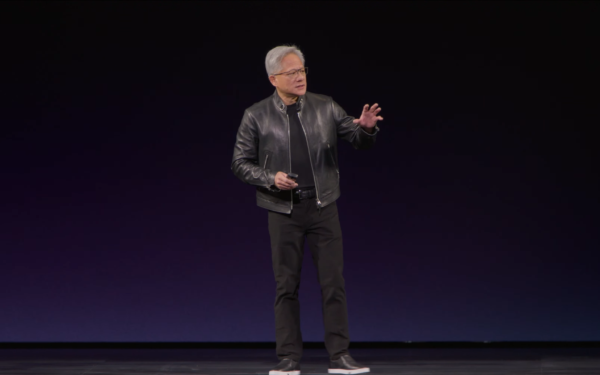
Nvidia CEO Jensen Huang says demand for Blackwell and Rubin AI chips could reach $1 trillion as AI infrastructure spending grows rapidly.

Nvidia CEO Jensen Huang sees $1 trillion demand for Blackwell and Rubin AI chips

March 16, 2026
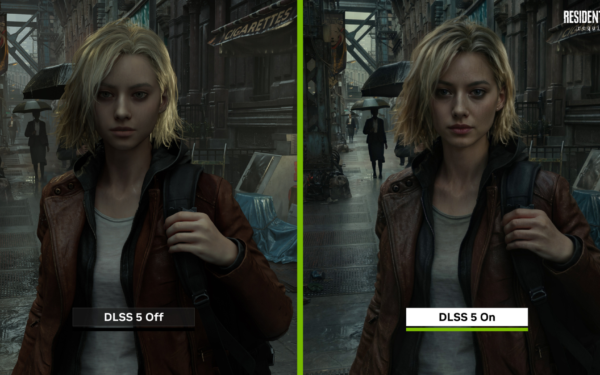
Nvidia introduces DLSS 5 to improve game realism with generative AI

Nvidia introduces DLSS 5 to improve game realism with generative AI

March 16, 2026
Dictionary Publisher Files Copyright Lawsuit Against OpenAI

Dictionary Publisher Files Copyright Lawsuit Against OpenAI

March 16, 2026

Leave a Comment Cancel reply

Your email address will not be published. Required fields are marked *

Recent Posts

  • Nvidia CEO Jensen Huang sees $1 trillion demand for Blackwell and Rubin AI chips
  • Nvidia introduces DLSS 5 to improve game realism with generative AI
  • Dictionary Publisher Files Copyright Lawsuit Against OpenAI
  • Shopify exec says AI shopping agents are the future of e-commerce
  • WhatsApp beta introduces guest chats for messaging without an account

Recent Comments

No comments to show.
OnMSFT.com

The Tech News Site

Categories

  • Windows
  • Surface
  • Xbox
  • How-To
  • OnPodcast
  • Gaming
  • Edge
  • Teams

Recent Posts

  • Nvidia CEO Jensen Huang sees $1 trillion demand for Blackwell and Rubin AI chips
  • Nvidia introduces DLSS 5 to improve game realism with generative AI
  • Dictionary Publisher Files Copyright Lawsuit Against OpenAI
  • Shopify exec says AI shopping agents are the future of e-commerce
  • WhatsApp beta introduces guest chats for messaging without an account

Quick Links

  • About OnMSFT.com
  • Contact OnMSFT
  • Join Our Team
  • Privacy Policy
© 2010–2026 OnMSFT.com LLC. All rights reserved.
About OnMSFT.comContact OnMSFTPrivacy Policy