 \n
\n
July 29th. That’s the day when Microsoft said it will stop giving away Windows 10 for free. Whether that actually happens, however, is up for debate.
\n
Earlier this week, Microsoft gave a statement to the press — later clarified as “incorrect” — that appeared to be less-than-certain on whether the deal would be extended.
\n
First, a quick recap. Microsoft tried something new with Windows 10: Instead of charging everyone for a copy of the software, it gave it away free to Windows 7, 8, and 8.1 users. Businesses and PC makers still had to buy it, but your average, everyday customer did not.
\n
This, in turn, caused a massive spike in upgrades and Microsoft is on the record saying it wants over one billion users to activate Windows 10 in the coming years. At the last count, earlier this week, the number was 300 million, up from 200 million in January.
\n
300 million is a lot of people — although there are doubts about whether “active” users is the best methodology — and it’s a sign that Microsoft can still make something happen when it wants to.
\n
But the hard part is yet to come: Adding 700 million Windows 10 users over the next two or three years.
\n
Windows is, by and large, an operating system that works on PCs and, according to well-studied research firms, that is a market that is retracting rapidly quarter-after-quarter.
\n
To counteract these secular trends, Microsoft needs to get Windows 10 onto as many machines as possible, and that’s largely what the company is doing.
\n
In fact, Windows 10 is the most broadly available operating system at a device level. You could install it on a PC, a tablet, a smartphone, or even a compatible Internet of Things (IoT) device.
\n
However, it remains unclear if everything that follows PC — tablet, smartphone, IoT — will be able to counteract the current sales trends.
\n
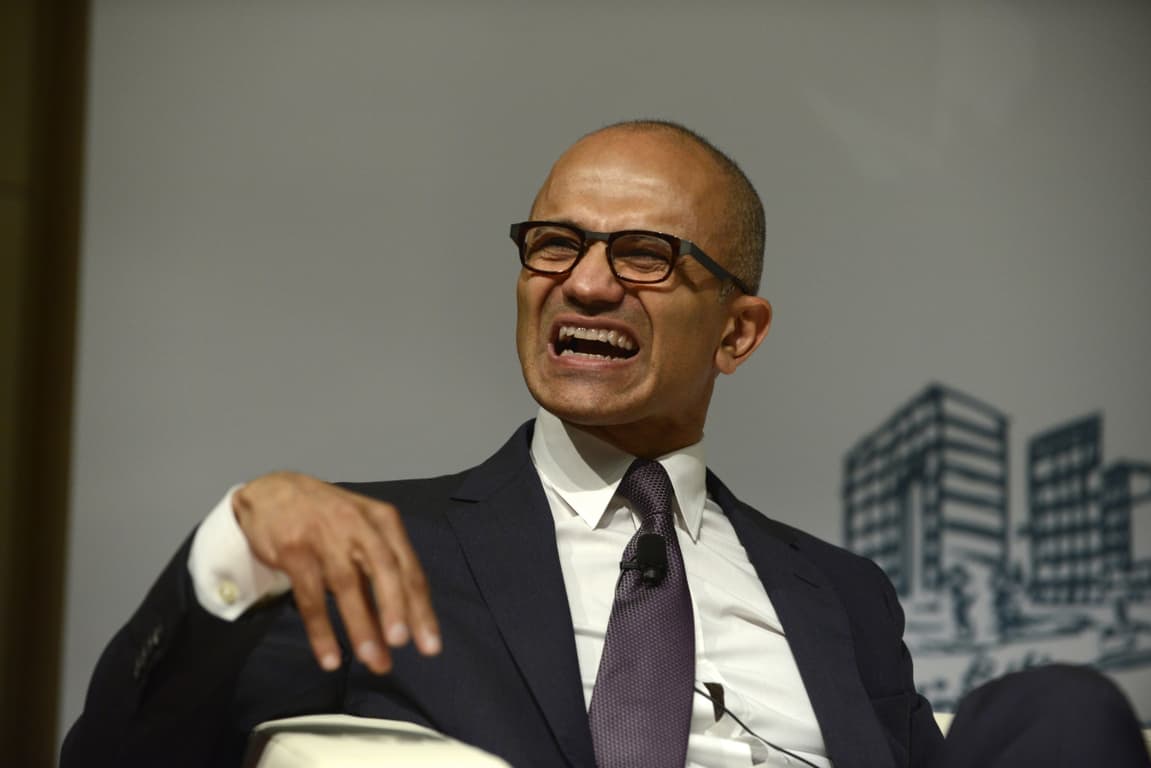
Giving Microsoft, which is made up of clever, talented people, the benefit of the doubt seems fair, especially under the stewardship of Satya Nadella.
\n
But there is a problem that has nagged at the impressive numbers so far: Windows 10 was, for all intents and purposes, free.
\n
Making Windows 10 free was, and still is, a bold choice by Microsoft. Every year, a significant portion of the company’s revenue is derived from everyday users buying Windows and installing it on their PC. Over the eight months, however, that revenue stream has been cut off.
\n
For Microsoft, the upside is that now 300 million people are using the latest version of the operating system. The downside is that most them didn’t pay a penny to do so.
\n
The difference in revenue is, Microsoft hopes, going to come from services like the Windows Store, which sells apps and multimedia. People used to pay X amount for Windows and then not much else thereafter. Now, people pay far less — or nothing — for Windows but then spend more than X thereafter.
\n
Cutting off the free supply of Windows most likely won’t change this equation for the better, as it raises the barrier of entry for the operating system to any buying a new PC — which, as the data shows, is fewer and fewer people — or those who can afford Windows 10 or are motivated by the upgrades.
\n
Now, it would seem reasonable to me that the people in the second camp — those who can afford it or are motivated by the changes — have most likely already upgraded to Windows 10, leaving a hoard of legacy PC owners who are happy with Windows 7 and may upgrade, but just not yet.
\n
If they were given more time beyond July 29th, perhaps they would — but Microsoft will never know because slapping a price tag on the operating system will dissuade a large proportion of them.
\n
A good example of how to manage this transition is Apple. Apple once charged for upgrades to the iPod Touch, and OS X was also once a paid upgrade. Pricing varied, but you needed to pay. Now, however, Apple makes each update available for free as it always has the iPhone and iPad, and the company sees over 80% of its iOS user base upgrading over the course of a year (with the latest OS X also enjoying high adoption rates).
\n
Of course, the iPhone is a different beast to a PC — it is, for one thing, much easier for Apple to promote iOS — but the underlying fact remains the same: People upgrade when the operating system is available, publicized, and free.
\n
Another piece of news from the week is that Microsoft will disable to ‘Get Windows 10’ app on Windows 7, 8, and 8.1 PCs. This, to me, seems odd. Adding a price tag to the operating system is enough of a turn-off for most users, but not promoting it at all seems even worse.
\n
Microsoft has already persuaded the most dedicated users to upgrade to Windows 10 — and, beyond that, a subset who are testing beta versions of Windows 10 — and so it needs to appeal to regular, everyday users who most likely need to be reminded about the operating system.
\n
It is worth nothing that Microsoft hasn’t exactly handled the notifications — which, for some users, appeared multiple times a day — well, but removing them altogether seems like a recipe for creating a whole class of Windows users who forget about the update and will remain on Windows 7 forever.
\n
If all things are considered, annoying a small subset of users in order to get the majority onto Windows 10 seems like a good idea. The application could even be toned down and still be effective.
\n
But, ultimately, the main problem Microsoft faces is whether Windows 10 should remain free. In my opinion, it should. An operating system is a big thing to develop, sure, but Microsoft needs to be brave and get as many people on board as possible.
\n
The world is already changing to favour smartphones and tablets — an area where Microsoft has basically no influence — and so they should work to dominate PCs. If they do not do it now, it will never happen.
\n\nFurther reading: Microsoft, Satya Nadella, Windows, Windows 10